Richiedi un preventivo per componenti e apparecchiature ad alta tensione
Comunicaci le tue esigenze (tensione nominale, modello, quantità e destinazione) e il nostro team XBR Electric preparerà un preventivo dettagliato entro 24 ore.
I quadri di media tensione contengono decine di componenti critici oltre all'interruttore: isolatori epossidici, sbarre, interblocchi, sensori di tensione, interruttori di messa a terra, terminazioni dei cavi e accessori di controllo. L'affidabilità di un quadro dipende tanto da questi componenti di supporto quanto dal dispositivo di interruzione primario.
I team di approvvigionamento si trovano ad affrontare un panorama complesso: Produttori europei che chiedono prezzi elevati per la loro comprovata affidabilità, fornitori asiatici che offrono vantaggi di costo con una documentazione di qualità variabile e produttori di componenti specializzati che eccellono in specifiche categorie di prodotti, esternalizzandone altre.
Il giusto fornitore di componenti è in grado di bilanciare capacità tecnica, qualità costante, prestazioni di consegna e costo totale di proprietà. La scelta sbagliata crea incubi per la garanzia, guasti sul campo durante la messa in servizio o l'obsolescenza dei componenti che costringe a costose modifiche a distanza di anni.
Questa guida presenta dieci produttori che forniscono costantemente componenti di qualità per quadri elettrici in progetti globali, spiega le caratteristiche che li contraddistinguono e fornisce un quadro di valutazione per confrontare i fornitori in base ai vostri requisiti specifici.
Quadro di valutazione: Come confrontare i produttori di componenti
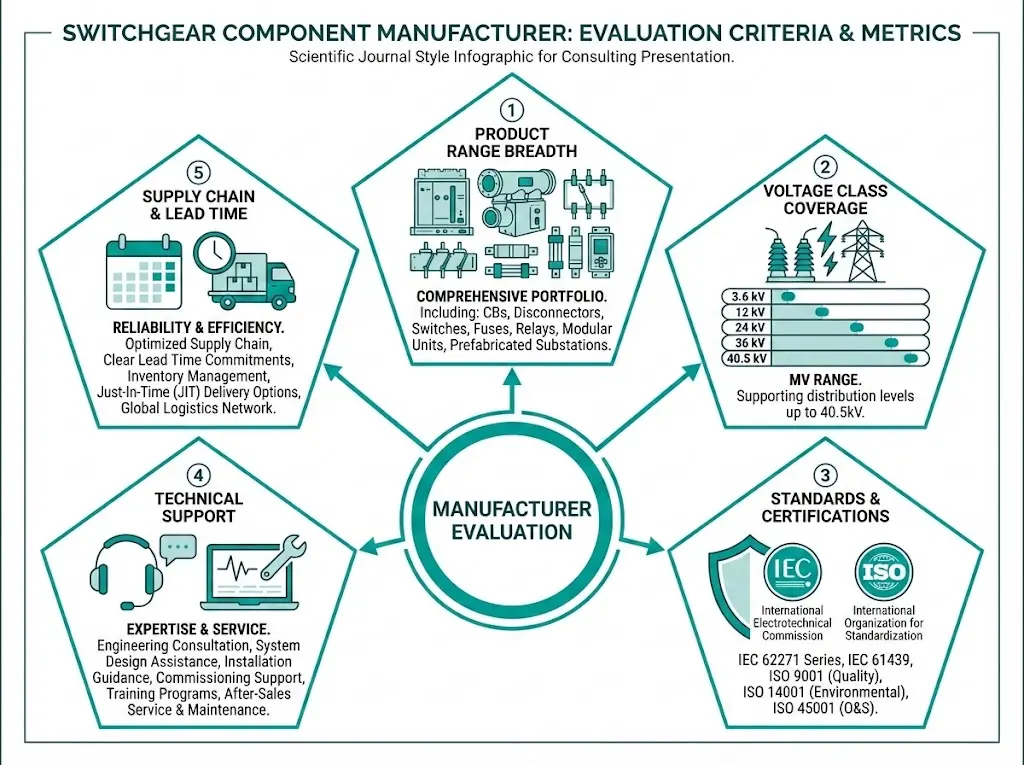
**Figura 1**: Quadro di valutazione completo dei produttori: nella scelta dei fornitori di componenti, bilanciare l'ampiezza dei prodotti, la capacità di tensione, la conformità alle certificazioni, il supporto tecnico e le prestazioni della catena di fornitura.
Prima di immergersi nei produttori specifici, stabilire dei criteri di valutazione:
1. Ampiezza della gamma di prodotti
Fornitori completi (offerta di interni completi del quadro):
Interruttori per il vuoto (se produzione vincolata)
Barre di rame/alluminio (punzonate, lavorate, placcate)
Interblocchi meccanici (sistemi a chiave, meccanismi di blocco)
Rilevamento della tensione (sensori capacitivi, VPIS)
Interruttori di messa a terra e protezione contro i guasti a terra
Componenti per la terminazione dei cavi
Fornitori specializzati (eccellere in 1-3 categorie):
Può esternalizzare altri componenti
I migliori della categoria per le specialità (ad esempio, colata epossidica, lavorazione del rame)
Richiede la gestione di più fornitori
Decidete voi: Semplicità dell'approvvigionamento in un'unica soluzione contro prestazioni di alto livello?
2. Copertura della classe di tensione
Classe di tensione
Esempi di applicazione
Copertura del produttore
3,6-7,2 kV
Distribuzione industriale, miniere
Quasi tutti i produttori
12-13,8 kV
Distribuzione di servizi, grandi industrie
Tutti i principali produttori
24-27 kV
Sottostazioni elettriche, interfaccia di trasmissione
La maggior parte dei produttori
36-40,5 kV
Trasmissione, sottostazioni di grandi dimensioni
Solo produttori premium
Verificare l'effettiva capacità di produzione del produttore alla propria tensione: alcuni “producono” attraverso il rebranding di prodotti di altri a tensioni più elevate.
3. Standard e certificazioni
Certificazioni essenziali:
Serie IEC 62271 (norme per apparecchiature di comando e controllo)
ISO 9001 (gestione della qualità)
ISO 14001 (gestione ambientale, sempre più richiesta)
Certificazioni auspicabili:
Rapporti di prova di tipo da parte di laboratori indipendenti (KEMA, CESI, CPRI, ecc.).
Impronta globale: Produzione in Cina, esportazioni in crescita in Asia, Medio Oriente, Africa e Sud America.
Punti di forza del prodotto:
Interruttori in vuoto e interruttori in vuoto (competenza principale)
Contattori sotto vuoto per il controllo dei motori e la commutazione dei condensatori
Isolatori epossidici per quadri elettrici MT
Soluzioni di componenti convenienti
Personalizzazione flessibile per i requisiti OEM
Copertura di tensione: 3,6 kV - 40,5 kV
Posizione di mercato: Prezzi di medio livello, reputazione di qualità in crescita
Perché scegliere i componenti XBRELE:
Eccellente rapporto qualità-prezzo (30-50% inferiore ai marchi europei)
Supporto tecnico reattivo per requisiti personalizzati
Tempi di consegna più brevi rispetto a molti concorrenti (4-6 settimane standard)
Adozione crescente da parte degli OEM di quadri elettrici internazionali
Conformità IEC con rapporti di prova indipendenti
Considerazioni:
Riconoscimento del marchio inferiore a quello dei produttori europei affermati
Documentazione tecnica in miglioramento, ma non ancora a livello di Schneider/ABB
Rete di servizi incentrata principalmente sull'Asia (in espansione a livello globale)
Ideale per: Progetti industriali con vincoli di costo, costruttori di quadri OEM, installazioni in mercati emergenti, progetti di sostituzione/retrofit
Impronta globale: Produzione in Russia, esportazione nella CSI, in Asia e in Medio Oriente.
Punti di forza del prodotto:
Componenti dell'interruttore sottovuoto
Interruttori a vuoto (produzione propria)
Sistemi di sbarre
Dispositivi di protezione e automazione
Copertura di tensione: 3,6 kV - 35 kV
Posizione di mercato: Prezzi di medio livello, forti nei mercati CSI
Perché scegliere i componenti TAVRIDA:
Prezzi competitivi
Forte presenza nei mercati russo e CSI
Buone prestazioni in condizioni di freddo (progettato per climi rigidi)
Considerazioni:
Fattori geopolitici che influenzano la disponibilità (sanzioni, restrizioni commerciali)
Presenza limitata sul mercato occidentale
Documentazione tecnica principalmente in russo
Ideale per: Progetti CIS, applicazioni per il clima freddo, progetti nella sfera d'influenza russa
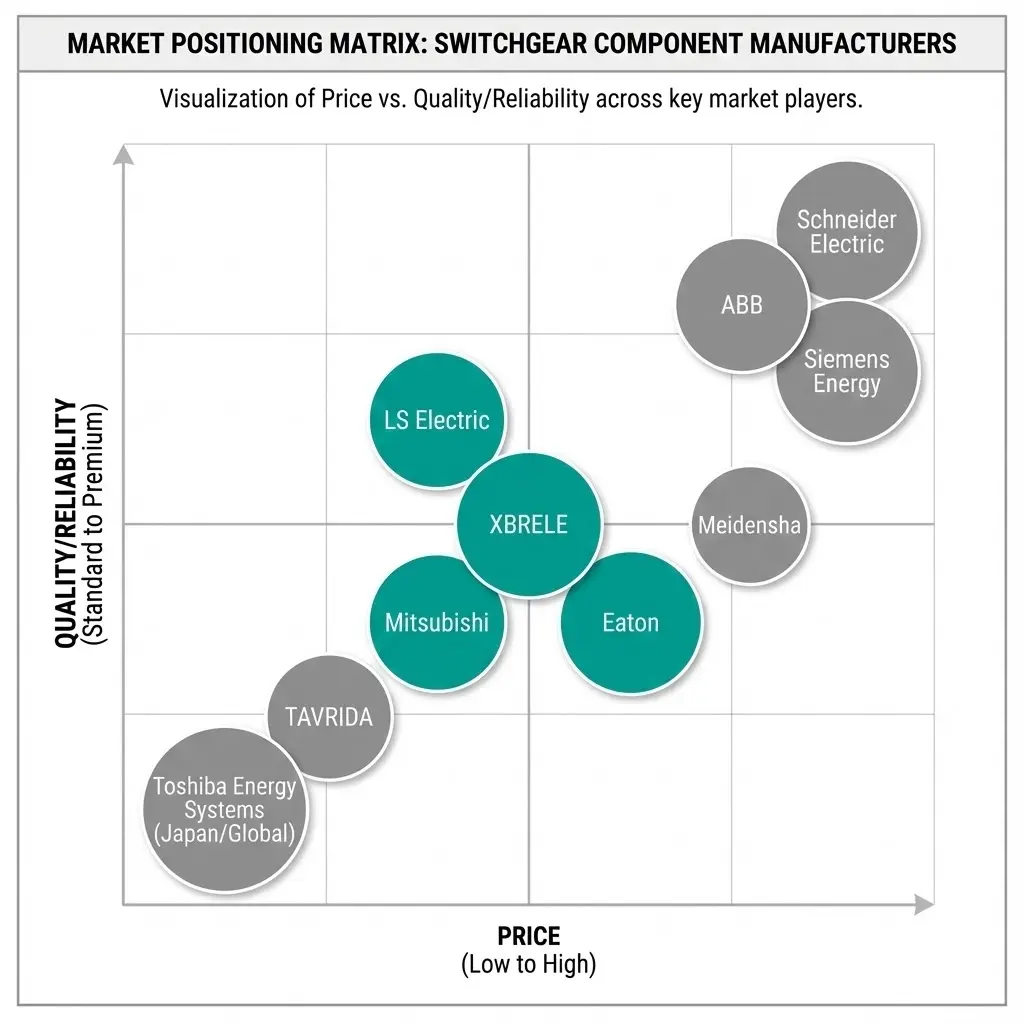
Sito web: tavrida.ru**Figura 2**: Il posizionamento del mercato rivela livelli distinti: i produttori europei di fascia alta (Schneider, ABB, Siemens) hanno un prezzo maggiorato, i fornitori di fascia media (XBRELE, LS Electric, Eaton) offrono un valore equilibrato, mentre i produttori economici servono applicazioni sensibili ai costi.
Considerazioni sull'approvvigionamento regionale
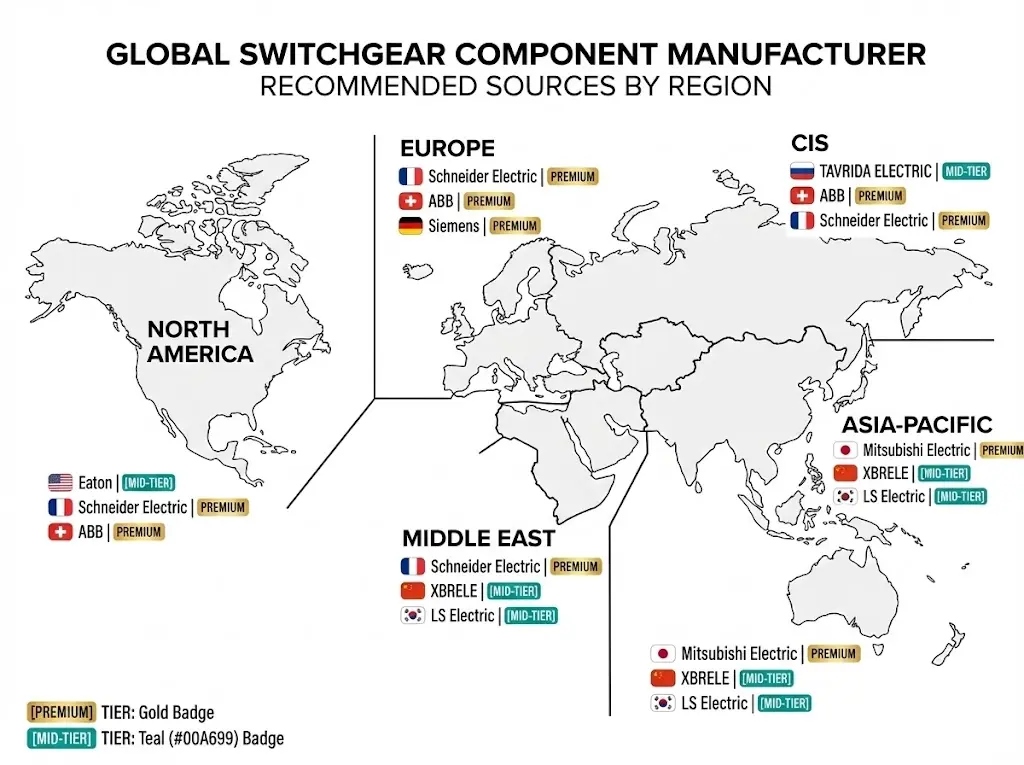
Progetti in Nord America
Scelte di primo livello:
Eaton (forte supporto locale)
Schneider Electric (distribuzione capillare)
ABB (standard di utilità)
Certificazione essenziale: Omologazione UL o CSA
Tempi di consegna: 8-12 settimane tipiche
Progetti dell'Unione Europea
Scelte di primo livello:
Schneider Electric
ABB
Siemens
Requisiti di sostenibilità: Marcatura CE, conformità REACH, RoHS, crescente attenzione per le alternative SF6
Documentazione: Aspettatevi schede tecniche complete, dichiarazione di conformità
Progetti in Medio Oriente
Preferenza di crescita: Mix di marchi europei (reputazione) e asiatici (costi)
Combinazioni comuni:
Apparecchiature primarie europee + componenti di supporto asiatici
LS Electric sta guadagnando quote
XBRELE competitivo per i progetti industriali
Considerazioni sul clima: Le alte temperature, la sabbia/polvere richiedono custodie IP65+, materiali resistenti ai raggi UV
Progetti Asia-Pacifico
Giocatori dominanti:
Mitsubishi, LS Electric (preferenza locale)
XBRELE (progetti cinesi competitivi in termini di costi)
Schneider/ABB (progetti di fascia alta)
Mercati emergenti: I requisiti di contenuto locale possono favorire i produttori regionali
Africa e America Latina
Sensibilità al prezzo elevata: Produttori asiatici competitivi
Il supporto tecnico è fondamentale: La rappresentanza locale fa la differenza
Approccio comune: Interruttori primari europei/giapponesi + componenti di supporto cinesi
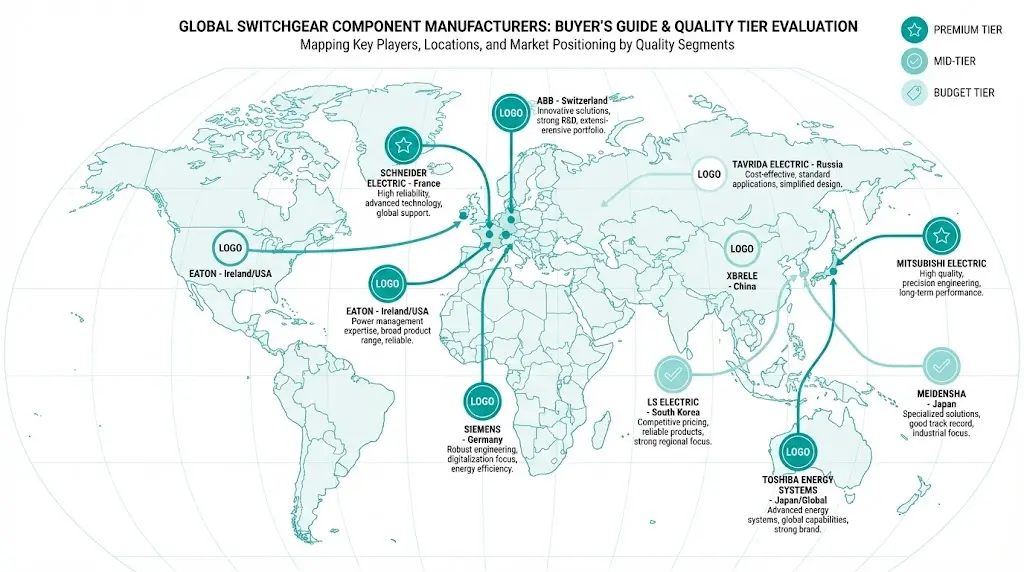
**Figura 4**: La strategia di approvvigionamento regionale varia a seconda del mercato: il Nord America predilige Eaton per il supporto locale, l'Europa è dominata da Schneider/ABB/Siemens, l'Asia-Pacifico beneficia dei vantaggi di costo di LS Electric/XBRELE, mentre il Medio Oriente bilancia la qualità premium con opzioni di valore medio.
Selezione del produttore specifico del componente
Non tutti i produttori eccellono allo stesso modo nei vari componenti. Considerate un approvvigionamento specializzato:
Isolanti epossidici: Le scelte migliori
Siemens (Tecnologia Resibloc-premium)
Meidensha (eccellente colata senza vuoti)
OEM cinesi qualificati (conveniente, adatto per applicazioni standard)
Interruttori a vuoto: Le scelte migliori
Mitsubishi Electric (lega proprietaria, massima durata)
ABB (ampi dati di test di tipo, ben documentati)
XBRELE (buon valore, qualità in miglioramento)
Per maggiori dettagli sulla selezione di interruttori a vuoto, consultare la guida ai produttori di interruttori a vuoto.
Sistemi di sbarre: Le scelte migliori
ABB (sistemi di connessione innovativi, monitoraggio integrato)
Schneider Electric (valori nominali di cortocircuito ben documentati)
Eaton (buona disponibilità in Nord America)
VPIS e sensori di tensione: Le scelte migliori
Schneider Electric (diagnostica avanzata, integrazione IoT)
ABB (progetti affidabili e collaudati)
XBRELE (soluzioni efficaci dal punto di vista dei costi)
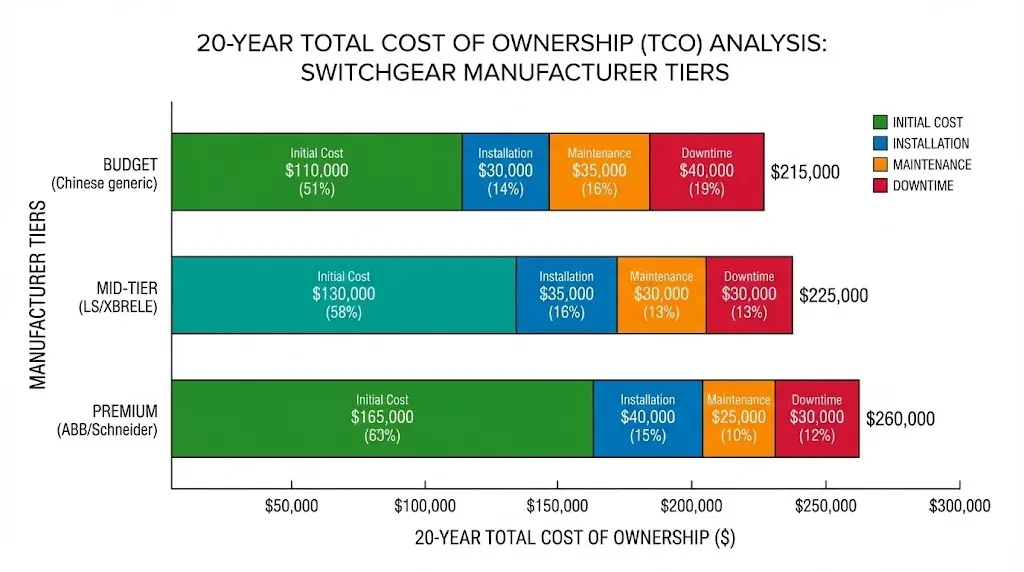
**Figura 3**: L'analisi TCO rivela che i produttori premium costano solo 17% in più su un ciclo di vita di 20 anni: i minori costi di manutenzione ($25K vs $45K) e la riduzione del rischio di fermo macchina ($15K vs $40K) compensano l'investimento iniziale più elevato per le applicazioni critiche.
Il prezzo iniziale rappresenta solo il 40-60% del costo totale di proprietà. Il TCO completo comprende:
Prezzo di acquisto (40-60% di TCO)
Costo del componente:
Livello di budget: Produttori asiatici (costo di base)
Livello medio: Coreani, alcuni marchi europei (1,3-1,8× livello economico)
Livello premium: Marche europee/giapponesi di alto livello (2,0-2,5× livello budget)
Installazione e messa in servizio (15-25% di TCO)
Fattori che incidono sul costo dell'installazione:
Qualità della documentazione (documenti scadenti aumentano il lavoro sul campo)
Precisione dimensionale (il disallineamento richiede una rilavorazione)
Supporto pre-commissioning (la presenza del produttore riduce gli errori)
I produttori premium spesso recuperano i costi grazie a un'installazione più agevole.
Manutenzione e ricambi (15-25% di TCO)
Durata di oltre 20 anni:
Disponibilità di parti di ricambio (i componenti obsoleti richiedono l'adeguamento dei pannelli)
Intervallo di manutenzione (qualità superiore = manutenzione meno frequente)
Tasso di guasto (i componenti di qualità superiore giustificano il costo grazie alla maggiore affidabilità)
Tempi di inattività e affidabilità (10-20% di TCO)
Critico per i processi industriali:
Costo dei tempi di inattività non programmati (perdita di produzione)
Logistica di sostituzione (consegna rapida dei ricambi è fondamentale)
Disponibilità di assistenza in caso di emergenza
Esempio di confronto del TCO (quadro elettrico da 12 kV, durata di vita di 20 anni):
Produttore Tier
Costo iniziale
Installazione
Manutenzione
Tempi di inattività
Totale TCO
Bilancio (cinese generico)
$100,000
$30,000
$45,000
$40,000
$215,000
Livello medio (LS/XBRELE)
$140,000
$25,000
$35,000
$25,000
$225,000
Premium (ABB/Schneider)
$200,000
$20,000
$25,000
$15,000
$260,000
Premium tier 17% TCO più elevato ma rischio operativo significativamente inferiore.
Processo RFQ e valutazione dei fornitori
Lista di controllo delle specifiche tecniche
Includere nella RFQ per consentire un confronto equo:
Classe di tensione e livello di isolamento: 12 kV, 28 kV BIL (esempio)
Corrente nominale e corrente di cortocircuito: 630 A, 25 kA per 3s
Condizioni ambientali: Intervallo di temperatura, umidità, altitudine, livello di inquinamento
Conformità agli standard: Serie IEC 62271, clausole specifiche
Requisiti per i test: Rapporto di prova tipo, prove di routine, prove testimoniali
Parti di ricambio: Garanzia di disponibilità minima di 10 anni
Assistenza tecnica: Assistenza alla messa in servizio, formazione, linguaggio della documentazione
Ponderazione dei criteri di valutazione
Ponderazione suggerita per l'acquisto di componenti:
Criterio
Peso
Metodo di valutazione
Conformità tecnica
30%
Pass/fail + analisi dei margini
Prezzo
25%
Rispetto all'offerta più bassa
Tempi di consegna
15%
Rispetta il programma = punti pieni
Qualità/certificazione
15%
Rapporti di prova indipendenti, certificati ISO
Assistenza post-vendita
10%
Presenza locale, impegno per i ricambi
Stabilità finanziaria
5%
Dati finanziari dell'azienda, referenze
Controlli di riferimento
Richiedere e verificare:
3+ progetti simili (tensione, applicazione, geografia)
Dettagli di contatto per gli utenti finali (non solo per gli appaltatori)
Tassi di guasto/richieste di garanzia (chiedere direttamente alle referenze)
Prestazioni di consegna su progetti di riferimento
Punti chiave
I produttori di alto livello (Schneider, ABB, Siemens) offrono portafogli completi, qualità superiore e supporto globale a un costo 2-2,5 volte superiore rispetto alle opzioni economiche.
I produttori di medio livello (XBRELE, LS Electric, Eaton) offrono una forte proposta di valore: prodotti affidabili a costi moderati
Produttori economici (fornitori generici cinesi) adatti ad applicazioni non critiche con un attento controllo di qualità
Il costo totale di proprietà spesso favorisce i produttori premium per le applicazioni critiche nonostante il costo iniziale più elevato
L'approvvigionamento specifico del componente può ottimizzare: interruttori sottovuoto di qualità superiore + isolatori epossidici di livello medio + supporti per sbarre economiche
La capacità di assistenza regionale conta quanto la qualità del prodotto: la presenza locale riduce i rischi di messa in servizio e i tempi di inattività
La valutazione deve essere bilanciata tra conformità tecnica, prezzo, consegna e supporto del ciclo di vita in base alla criticità dell'applicazione.
Domande frequenti
D1: Posso mescolare componenti di diversi produttori in un unico quadro elettrico? R: Sì, ma verificate la compatibilità dell'interfaccia (dimensioni, valori elettrici, disposizioni di montaggio). La maggior parte dei produttori progetta in base alle dimensioni standard IEC, ma è bene confermarlo prima dell'ordine. L'integrazione personalizzata può influire sulla garanzia del produttore del pannello.
D2: Come posso verificare le certificazioni e i rapporti di prova dichiarati da un produttore? R: Richiedere i numeri dei certificati e contattare l'ente di accreditamento (ad esempio, il database IECEE CB). I laboratori di prova indipendenti (KEMA, CESI) tengono un registro pubblico. Attenzione alle dichiarazioni autocertificate senza convalida da parte di terzi.
D3: Qual è un tempo di consegna ragionevole per i componenti standard dei quadri elettrici? R: Articoli da catalogo: 4-8 settimane per i produttori europei/giapponesi, 3-6 settimane per i produttori cinesi. Per gli articoli progettati su misura si aggiungono 3-6 settimane per la progettazione. La consegna rapida è possibile con un sovrapprezzo (spesso 20-30%).
D4: Devo specificare le marche dei componenti nella mia RFQ sui quadri o lasciare che sia il quadrista a scegliere? R: Dipende dalla criticità del progetto e dalla fiducia nel quadrista. Installazioni critiche: specificare i componenti primari (interruttori, sezionatori), consentire la flessibilità sui supporti/armature. Meno critiche: specificare solo le prestazioni, approvare preventivamente le marche alternative.
D5: Come si colloca la qualità dei produttori asiatici rispetto ai marchi europei? R: I migliori produttori asiatici (Mitsubishi, LS Electric, XBRELE) si avvicinano alla qualità europea. I produttori cinesi a basso costo richiedono ispezioni dei lotti e audit di qualità. Il divario si riduce rapidamente grazie agli investimenti dei produttori asiatici in R&S e certificazione.
D6: Quale documentazione devo richiedere ai fornitori di componenti? R: Essenziale: Rapporti di prova del tipo, certificati di prova di routine secondo IEC 62271, manuali di funzionamento/manutenzione, disegni quotati, liste di parti di ricambio. Desiderabile: Guide applicative, procedure di risoluzione dei problemi, materiale di formazione, file CAD per la progettazione dei pannelli.
D7: Per quanto tempo devo aspettarmi che i componenti rimangano disponibili per i ricambi? R: I produttori premium si impegnano per almeno 10-15 anni dopo l'avviso di cessazione dell'attività. I produttori economici possono offrire solo 5 anni o nessun impegno. Negoziare un periodo minimo di disponibilità nelle condizioni di acquisto per installazioni di lunga durata.
Hannah è amministratrice e coordinatrice dei contenuti tecnici presso XBRELE. Si occupa della supervisione della struttura del sito web, della documentazione dei prodotti e dei contenuti del blog relativi a quadri elettrici MV/HV, interruttori a vuoto, contattori, interruttori e trasformatori. Il suo obiettivo è fornire informazioni chiare, affidabili e di facile consultazione per gli ingegneri, al fine di supportare i clienti globali nel prendere decisioni tecniche e di approvvigionamento con sicurezza.