Hai bisogno delle specifiche complete?
Scarica il nostro Catalogo prodotti 2025 per disegni dettagliati e parametri tecnici di tutti i componenti dei quadri elettrici.
Richiedi il catalogo
Scarica il nostro Catalogo prodotti 2025 per disegni dettagliati e parametri tecnici di tutti i componenti dei quadri elettrici.
Richiedi il catalogo Scarica il nostro Catalogo prodotti 2025 per disegni dettagliati e parametri tecnici di tutti i componenti dei quadri elettrici.
Richiedi il catalogo
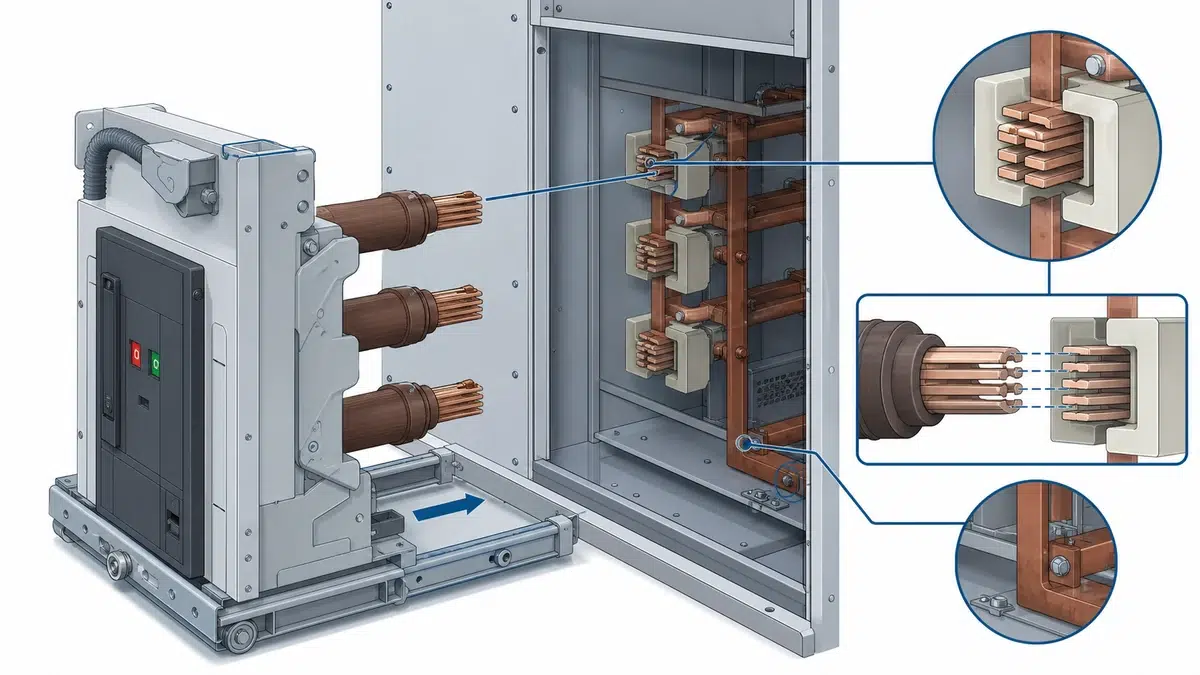
Un’ispezione accurata dei contatti a dita del sezionatore primario del VCB si concentra sull’interfaccia di contatto che trasporta la corrente di carico tra il VCB estraibile e i conduttori primari del quadro. Nella manutenzione del VCB, le dita, i gruppi o i contatti a coltello del sezionatore primario non sono semplici elementi di innesto meccanico: sono superfici di contatto elettrico. Le loro condizioni influiscono sulla resistenza di contatto, sul riscaldamento, sulla pulizia dell’isolamento e sull’affidabilità delle manovre di inserimento.
L’ispezione deve confermare tre condizioni: il sistema di contatto è allineato, le superfici di contatto corrette sono pulite e lubrificate adeguatamente e non vi sono evidenze termiche di innesto insufficiente o resistenza eccessiva. Le indicazioni OEM di ABB, Siemens e Schneider convergono su questi aspetti e chiariscono un punto: metodo di pulizia, scelta del lubrificante, dettagli di regolazione e intervallo di manutenzione devono essere ricavati dal manuale applicabile dell’interruttore e del quadro.
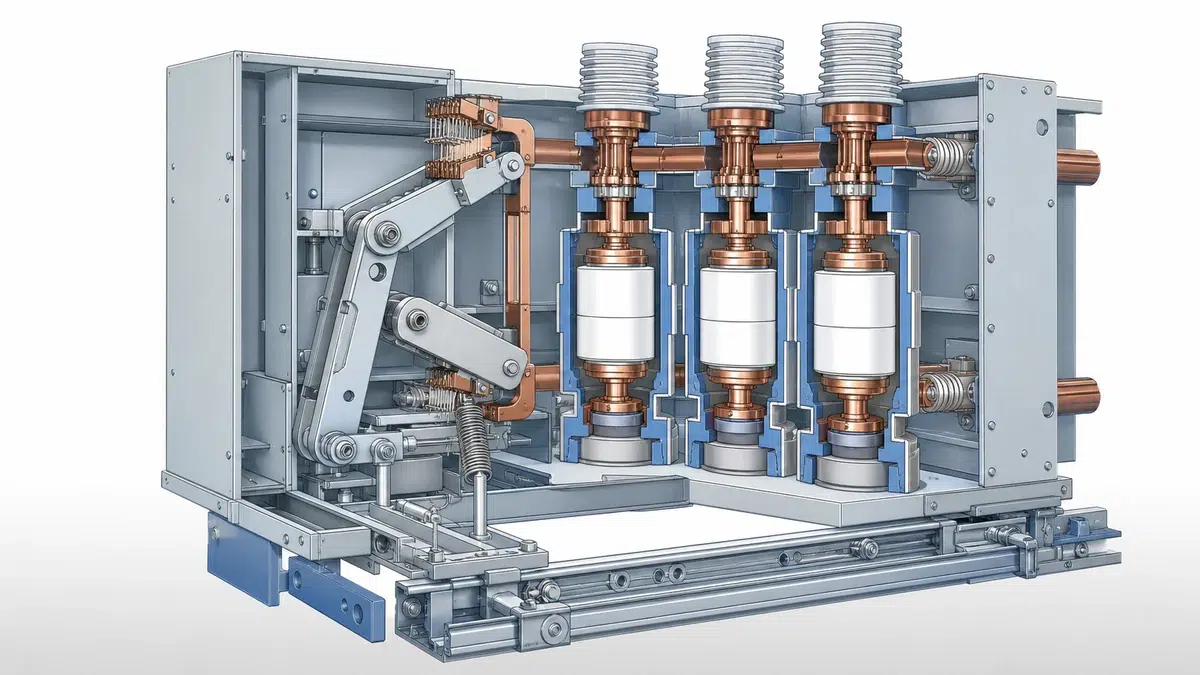
Lo scopo dell’ispezione delle dita del sezionatore primario VCB è verificare che il percorso della corrente primaria resti meccanicamente sicuro ed elettricamente efficiente. Il controllo non si limita alla ricerca di componenti rotti. Deve individuare anche eventuali segni di ingresso decentrato dell’interruttore nella cella, pressione non uniforme delle dita o contaminazione della superficie di contatto da grasso in eccesso, polvere, ossidazione o detriti. Consultare il portafoglio VCB di XBRELE come punto di partenza pratico per abbinare il formato di interruttore richiesto all’applicazione.
La documentazione ABB SecoVac identifica i coltelli e i gruppi di contatto primari come superfici di contatto elettrico e distingue la loro lubrificazione da quella del meccanismo e delle guide. La distinzione è importante: un lubrificante adatto a un meccanismo mobile o a una guida non è automaticamente idoneo per una superficie di contatto primaria attraversata dalla corrente.
Le indicazioni Schneider per la manutenzione dei quadri segnalano inoltre come elemento da controllare il cattivo contatto tra un gruppo di dita dell’interruttore e i contatti primari. Per pulizia, regolazione e lubrificazione rimandano al manuale applicabile dell’interruttore, anziché considerare l’ispezione del quadro un sostituto delle istruzioni specifiche del prodotto.
I problemi di allineamento si manifestano spesso prima di un guasto visibile. Durante l’ispezione, verificare l’inserimento e l’estrazione scorrevoli del VCB, l’innesto uniforme di tutte le fasi e gli eventuali segni che indicano un appoggio corretto delle dita del sezionatore primario sui contatti primari corrispondenti.
Un’ispezione pratica ricerca:
Le indicazioni Siemens per SION descrivono il centraggio e l’adattamento dei sistemi di contatto e richiedono una prova funzionale dopo l’intervento. La procedura è specifica del prodotto: durante l’ispezione non si devono trasferire dimensioni o passaggi da un progetto VCB a un altro. Il principio applicabile è che allineamento, adattamento, lubrificazione e verifica funzionale vanno considerati insieme.
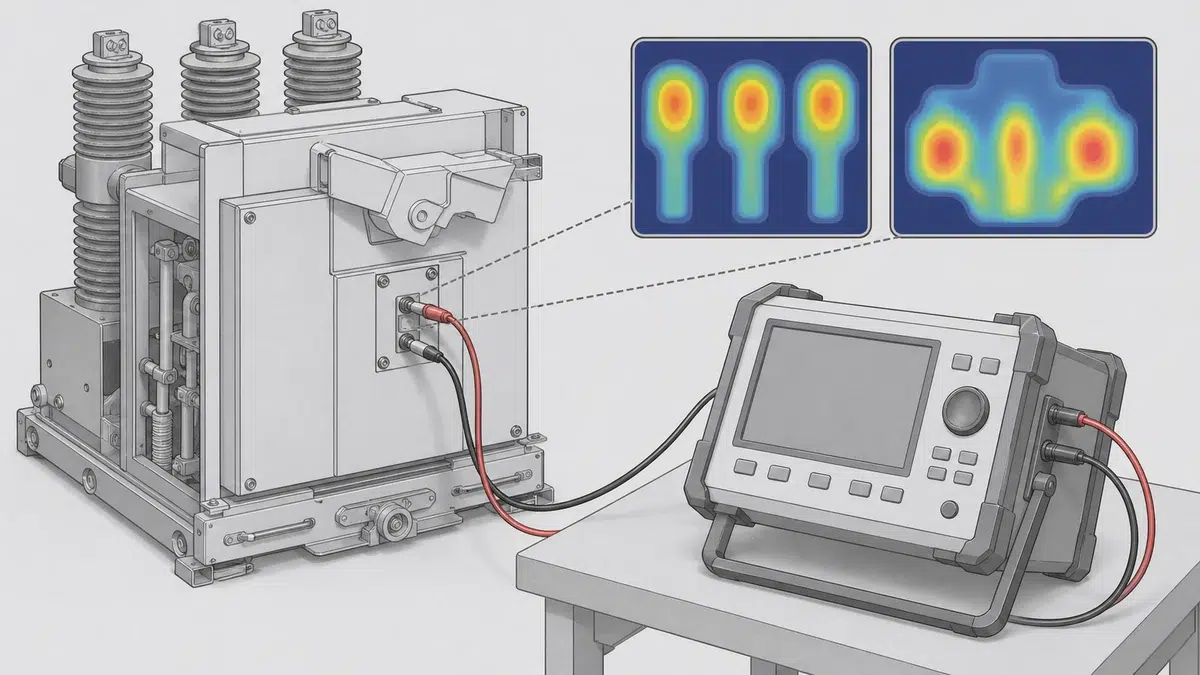
La lubrificazione delle dita del sezionatore primario VCB va trattata come manutenzione dei contatti elettrici, non come ingrassaggio generico. Il manuale ABB SecoVac specifica di rimuovere il lubrificante in eccesso per evitare l’accumulo di sporco o polvere e distingue il lubrificante per i contatti primari da quello per meccanismo e guide. Il manuale Siemens SION richiede il lubrificante specificato sul bordo interno delle dita di contatto. Le indicazioni di manutenzione Schneider EvoPacT includono la lubrificazione dei gruppi primari ad alta tensione, lasciando scelta del prodotto e intervallo al manuale specifico. Consultare la guida alla risoluzione dei guasti di chiusura/apertura dell’interruttore per distinguere, dopo una mancata manovra, le cause relative a circuito di controllo, bobine, interblocchi e meccanismo.
Queste fonti supportano una regola prudenziale: applicare soltanto il lubrificante specificato dal manuale VCB applicabile, solo nei punti indicati e rimuovere il materiale in eccesso che potrebbe trattenere contaminanti.
L’ispezione deve controllare:
Il risultato corretto non è «più grasso». È la condizione di contatto specificata dall’OEM.
Le evidenze termiche sono uno degli indizi più importanti nell’ispezione delle dita del sezionatore primario VCB, perché un contatto ad alta resistenza può generare calore prima che il danno diventi evidente. Confrontare le fasi e cercare riscaldamenti localizzati intorno all’interfaccia del sezionatore primario, non soltanto la temperatura generale dell’armadio.
Le evidenze termiche possono includere:
Documentare le osservazioni termiche indicando identità dell’interruttore e della cella, fase, condizioni operative, carico quando noto e confronto con le altre fasi. Se le evidenze suggeriscono surriscaldamento o cattivo contatto, utilizzare i manuali applicabili dell’interruttore e del quadro per le successive operazioni di pulizia, regolazione, lubrificazione e prova. Per pianificare i punti di controllo e le registrazioni, allineare le evidenze alla lista di controllo di accettazione FAT e SAT del VCB.
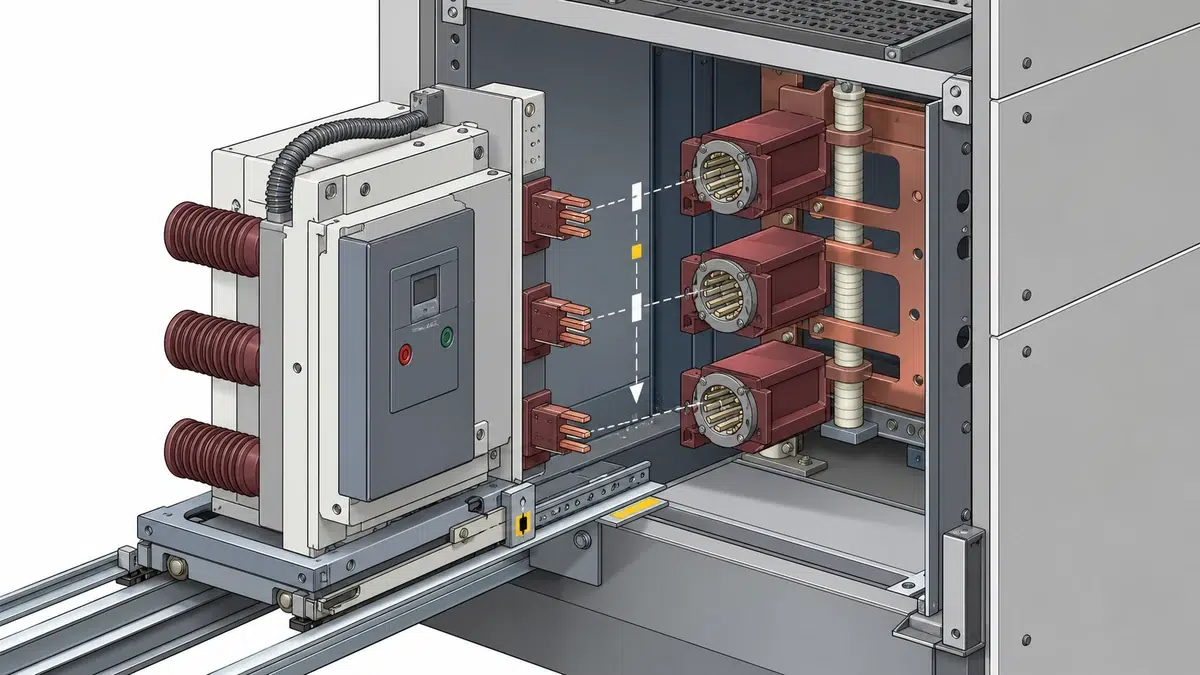
L’interfaccia del sezionatore primario non deve essere ispezionata isolatamente. Un VCB che si inserisce male, non realizza il collegamento ausiliario o presenta impuntamenti meccanici può creare o mascherare problemi ai contatti primari.
Le indicazioni di manutenzione Schneider EvoPacT includono il controllo della spina e della presa del sezionatore secondario oltre alla lubrificazione dei gruppi primari ad alta tensione. È un utile promemoria: l’interfaccia tra interruttore e cella comprende collegamenti di potenza e di controllo. Il sezionatore secondario non conduce la corrente primaria, ma un innesto insufficiente può influire su controllo, segnalazione, caricamento, sgancio, chiusura e interblocchi. La guida alla selezione dei valori nominali dell’interruttore aiuta a tradurre il servizio del sistema nei dati del dispositivo da confermare.
Una finestra di manutenzione completa può includere:
Prima di eseguire regolazioni o lubrificazioni, collegare ogni anomalia alle istruzioni specifiche del prodotto.
Poiché i progetti dei prodotti variano, i criteri di accettazione devono basarsi sulla documentazione applicabile del VCB e del quadro, non su ipotesi generiche. Il verbale d’ispezione deve distinguere chiaramente le condizioni osservate dalle azioni correttive.
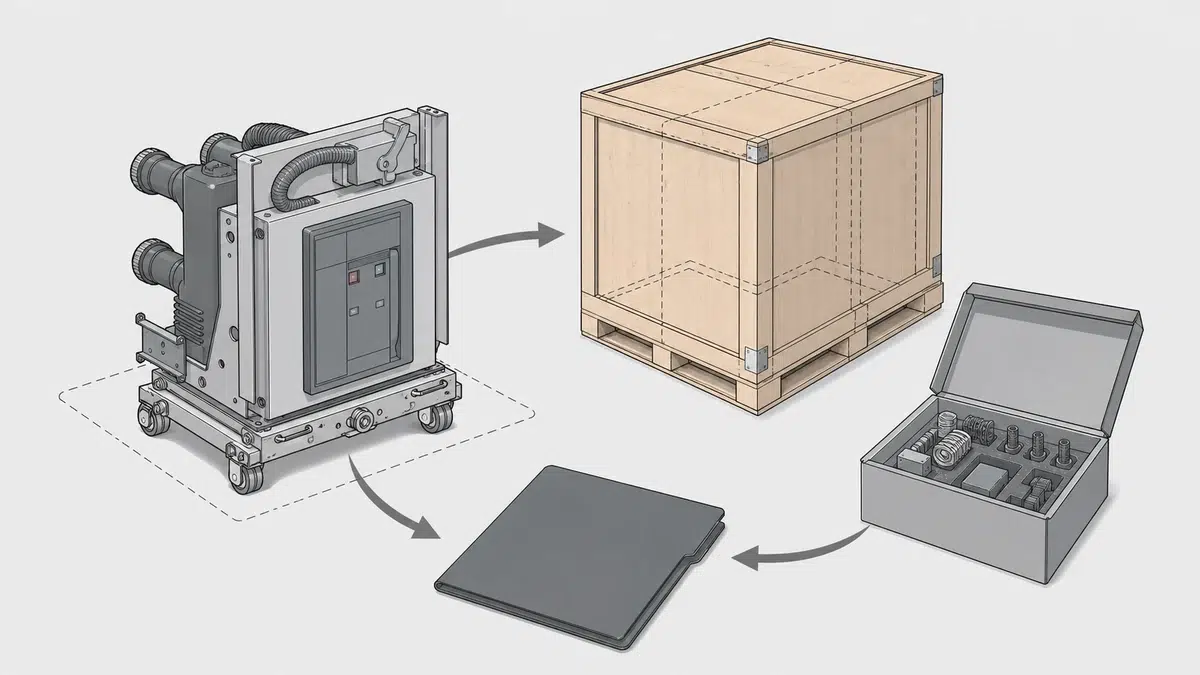
Una documentazione utile comprende:
Il verbale d’ispezione più difendibile evita sostituzioni di lubrificante non documentate e regolazioni «a sensazione» non registrate. Se la procedura OEM richiede uno specifico lubrificante, punto di contatto, metodo di adattamento o prova funzionale, il verbale deve indicare che l’intervento ha seguito tale procedura.
La conclusione più affidabile si basa in genere sull’andamento: un VCB coerente con la propria base di riferimento e con la documentazione del prodotto è più facile da giustificare per il servizio continuo; un interruttore con ripetute derive temporali merita invece un’ispezione mirata, anche se una singola lettura è ancora vicina al limite di accettazione.
Il rischio principale è l’aumento della resistenza di contatto nel percorso della corrente primaria. Ciò può causare riscaldamento localizzato, scolorimento, erosione dei contatti, danni all’isolamento e funzionamento inaffidabile. Le indicazioni Schneider per la manutenzione dei quadri identificano espressamente come elemento da controllare il cattivo contatto tra il gruppo di dita dell’interruttore e i contatti primari.
È quello specificato nel manuale VCB applicabile per il sistema di contatto primario. ABB distingue il lubrificante dei contatti primari da quello per meccanismo e guide. Siemens specifica la posizione del lubrificante per le proprie dita di contatto SION. Le indicazioni Schneider EvoPacT comprendono la lubrificazione dei gruppi primari ad alta tensione, ma rimandano al manuale del prodotto per scelta e intervallo.
Il lubrificante in eccesso può raccogliere sporco o polvere sulle superfici di contatto elettriche. Le indicazioni ABB SecoVac specificano di rimuoverlo per evitare l’accumulo di sporco o polvere. L’obiettivo è ottenere la condizione di contatto prescritta, non uno spesso strato di grasso.
È qualsiasi segno di riscaldamento anomalo dell’interfaccia del sezionatore primario. Gli esempi includono scolorimento, residui scuriti, vaiolatura, superfici di contatto rugose, danni agli isolanti vicini o differenze nelle scansioni a infrarossi tra fasi con carichi comparabili.
Dopo l’intervento, il manuale applicabile può richiedere una verifica funzionale. Le indicazioni Siemens SION richiedono una prova funzionale dopo i lavori. In pratica, i controlli successivi devono confermare il corretto comportamento di inserimento, l’innesto, l’assenza di impuntamenti anomali e il corretto svolgimento delle funzioni dell’interruttore previste dalla procedura specifica.