هل تحتاج إلى المواصفات الكاملة؟
قم بتنزيل كتالوج منتجاتنا لعام 2025 للحصول على رسومات تفصيلية ومعايير تقنية لجميع مكونات المفاتيح الكهربائية.
احصل على الكتالوج
قم بتنزيل كتالوج منتجاتنا لعام 2025 للحصول على رسومات تفصيلية ومعايير تقنية لجميع مكونات المفاتيح الكهربائية.
احصل على الكتالوج قم بتنزيل كتالوج منتجاتنا لعام 2025 للحصول على رسومات تفصيلية ومعايير تقنية لجميع مكونات المفاتيح الكهربائية.
احصل على الكتالوج
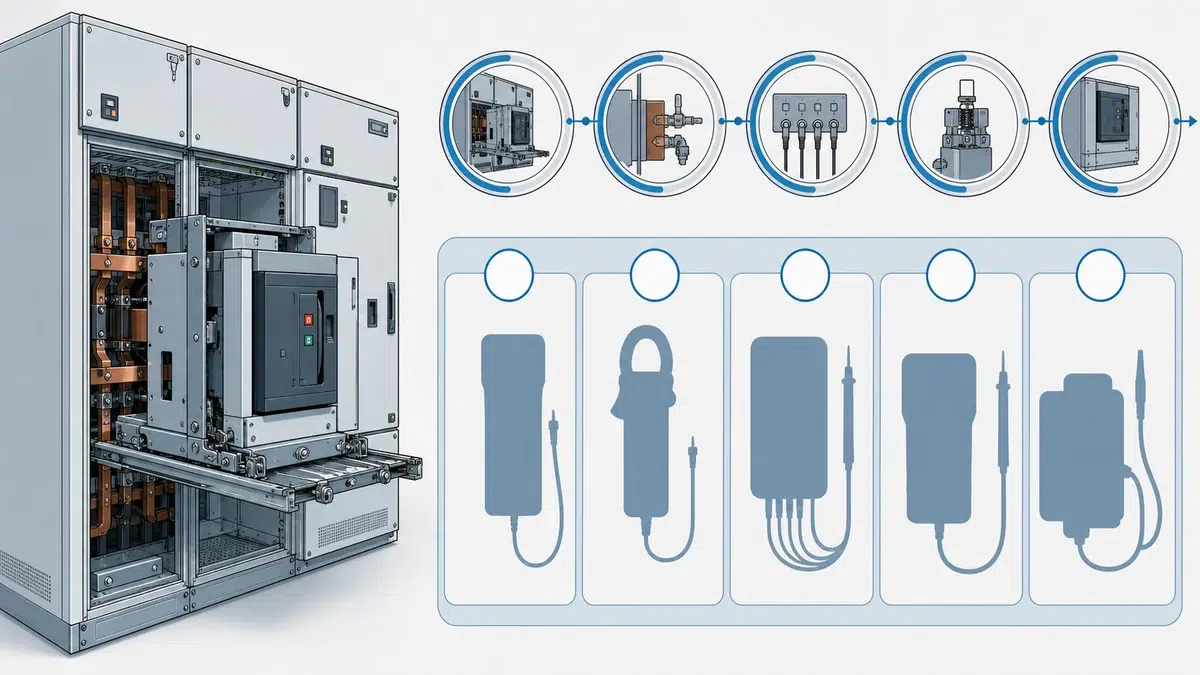
إن **سير عمل commissioning SAT موثوقاً لـ VCB** لا يقتصر على عرض واحد للغلق والفتح. عند تجهيز خلية VCB جديدة، ينبغي لاختبار القبول بالموقع أن يؤكد مطابقة قاطع الدائرة الفراغي وواجهات الخلية وأجهزة التحكم والدوائر المساعدة والتشابكات وأساس الاختبار الموثق لمتطلبات المشروع قبل السماح بإدخال المعدة في الخدمة الكهربائية.
الطريقة الأكثر أماناً لتنفيذ SAT هي اتباع إجراء مضبوط: تحقق من الوثائق أولاً، وافحص القاطع والخلية ميكانيكياً، وتأكد من تكامل الدوائر الثانوية والتحكم، وافحص المسار الرئيسي، وأثبت سلامة آلية التشغيل، وسجل النتائج، وأغلق جميع الملاحظات. تحدد إرشادات صيانة ABB SecoVac عناصر بعينها بوصفها متطلبات خاصة بالمنتج، مثل التشابكات الميكانيكية ومفاتيح الوضع والمساعدة ومحرك شحن النوابض وملفات الغلق والفصل والتثبيت والموصل الثانوي ونقاط الربط. كما تفصل وثائق Siemens SDV7 اختبارات المسار الرئيسي، مثل مقاومة تلامس المقاطعة واختبار العزل الكهربائي، عن فحوص الآلية والتحكم والعزل والأسلاك. وهذا يدعم إجراء تشغيل موثقاً بدلاً من الاكتفاء بعملية وظيفية واحدة.
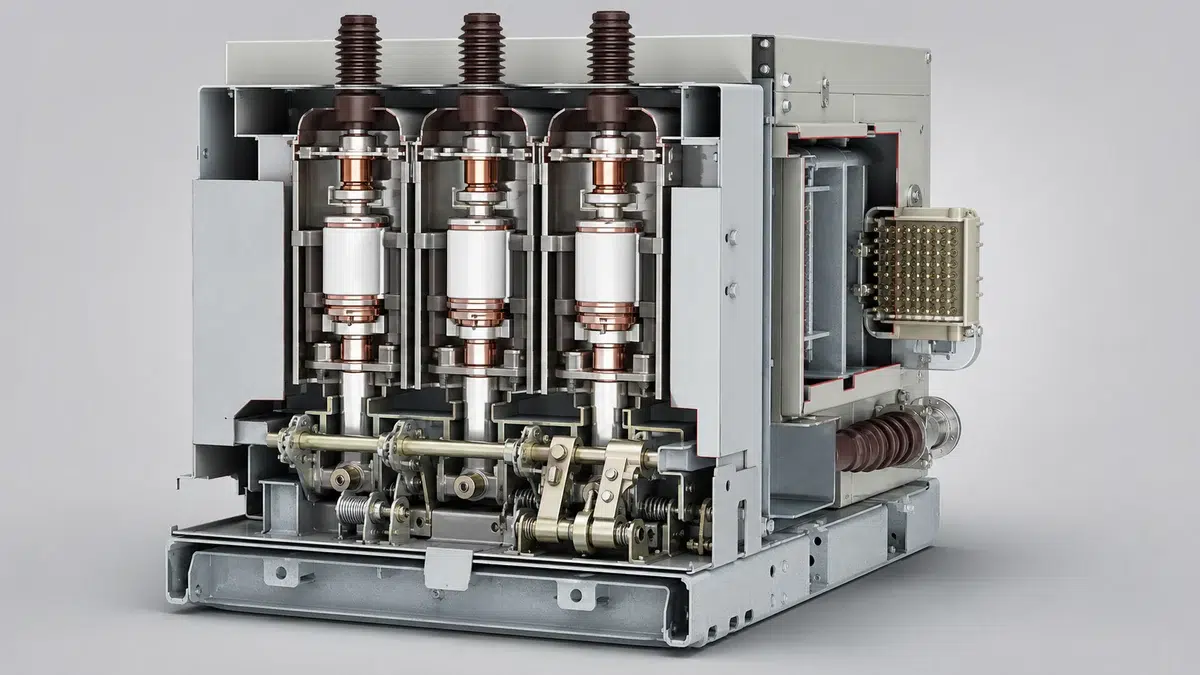
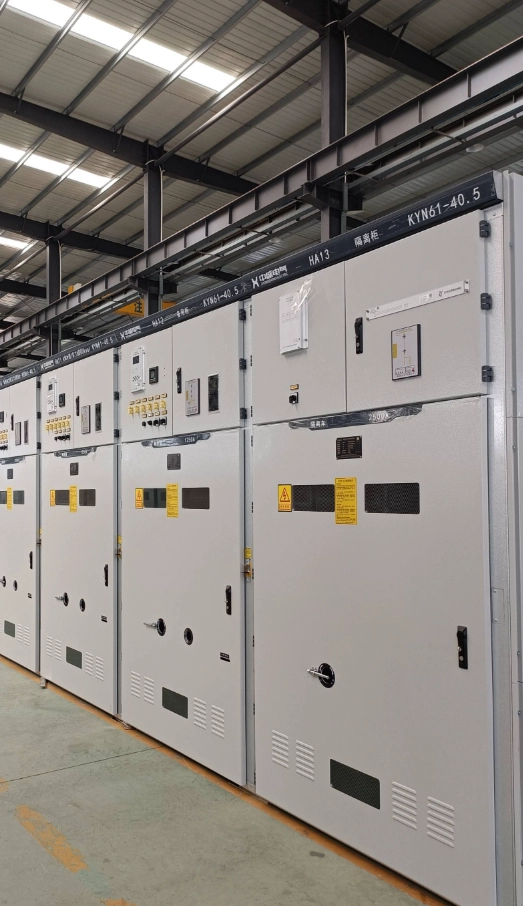
ينبغي الاتفاق على حدود SAT قبل بدء الاختبار. وتشمل الحدود المعتادة لخلية VCB جديدة القاطع المركب، والعربة أو الوحدة القابلة للسحب عند انطباق ذلك، والملحقات المثبتة في الخلية، وواجهات أسلاك التحكم، ودوائر الحماية والفصل المتصلة بالقاطع، ومؤشرات الوضع، والتشابكات، وتجهيزات التأريض، وأي ترتيب لفصل الدوائر الثانوية.
ينبغي أن يوضح الإجراء ما إذا كان SAT يتحقق فقط من التركيب وجاهزية الواجهات أم يعيد أيضاً بعض اختبارات القبول في المصنع. تذكر الأسئلة الشائعة من Schneider بشأن IEC 62271-100 التسلسل O-0.3s-CO-15s-CO لاختبارات محددة للفصل عند القصر والتوصيل والتشغيل الميكانيكي. ولا يعني ذلك وجوب تكرار كل اختبار موقعي لهذا التسلسل تلقائياً. يجب أن يستند قبول الموقع إلى العقد وخطة الفحص والاختبار للمشروع والمعيار المعمول به وتعليمات المنتج الصادرة عن الشركة المصنعة.
لذلك يبدأ إجراء SAT الجيد بضوابط العمل التالية:
| عنصر التحكم | متطلب SAT |
|---|---|
| الرسومات المعتمدة | توفر أحدث مراجعة في موقع الاختبار |
| دليل الشركة المصنعة | توفر تعليمات المنتج المحددة واتباعها |
| خطة الفحص والاختبار | تحديد نقاط التوقف ونقاط حضور الشهود |
| أجهزة الاختبار | تأكيد حالة المعايرة |
| مستندات السلامة | سريان التصاريح والعزل وضوابط الوصول |
| معايير القبول | تحددها وثائق المشروع والمعايير والشركة المصنعة |
لا تستبدل قيم الشركة المصنعة بافتراضات عامة. إذا حدد دليل المنتج طريقة أو تسلسلاً أو وضعاً أو عزم ربط أو قيداً، فيجب أن تحكم تلك التعليمات نشاط SAT.
ابدأ بالتحقق من الوثائق ولوحة البيانات. يجب أن تتطابق خلية VCB ولوحة التصنيف والرقم التسلسلي ومراجع المخططات وواجهة الحماية وتسمية اللوحة مع الرسومات المعتمدة وسجلات التسليم. سجّل أي اختلاف قبل بدء الاختبارات الكهربائية.
ينبغي أن يشمل فحص ما قبل الاختبار ما يلي:
| خطوة | تحقق | السجل |
|---|---|---|
| 1 | تطابق تعريف الخلية مع الرسومات | رمز اللوحة واسم المغذي |
| 2 | تطابق هوية القاطع مع جدول المشروع | الرقم التسلسلي ولوحة التصنيف |
| 3 | فهم مؤشرات وضع القاطع القابل للسحب | أوضاع الخدمة والاختبار والفصل حسب الاقتضاء |
| 4 | حداثة الرسومات والأدلة | رقم المراجعة |
| 5 | ملاءمة معدات الاختبار ومعايرتها | معرّف الجهاز وتاريخ المعايرة |
| 6 | مراجعة قائمة ملاحظات التركيب | حالة مفتوحة أو مغلقة |
ينبغي لفريق التشغيل أيضاً التأكد من نظافة القاطع وسلامته وتركيبه الصحيح وخلوه من مواد التعبئة السائبة والأدوات والوصلات المؤقتة وموانع النقل. وإذا استُخدمت أقفال شحن أو أغطية واقية أو تجهيزات تركيب تحددها الشركة المصنعة، فيجب التحقق من حالتها النهائية وفق تعليمات المنتج.
قبل التشغيل الوظيفي، أجرِ فحصاً بصرياً وميكانيكياً. دليل ABB SecoVac يشير إلى التشابكات الميكانيكية ومفاتيح المساعدة والوضع ومحرك شحن النوابض وملفات الغلق والفصل والتثبيت والموصل الثانوي ونقاط الربط باعتبارها متطلبات صيانة خاصة بالمنتج. وتفيد الفئات نفسها كنقاط تحقق أثناء التشغيل لأنها تؤثر مباشرة في سلامة التشغيل والتكامل الصحيح للخلية. استخدم دليل استكشاف أعطال غلق وفتح VCB لتمييز أسباب عطل دائرة التحكم أو الملف أو التشابك أو الآلية بعد فشل عملية تشغيل.
ينبغي أن يشمل الفحص ما يلي:
| البند | إجراء SAT |
|---|---|
| هيكل القاطع والآلية الأمامية | تحقق من الأضرار الظاهرة أو الأجزاء المفقودة أو التلوث أو الحالات غير الطبيعية |
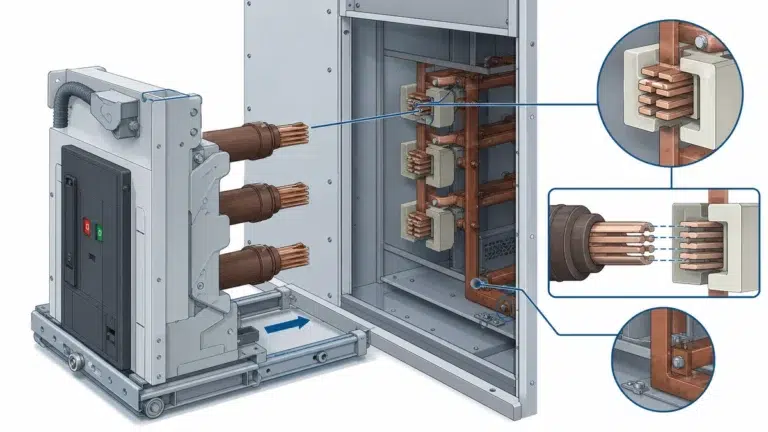
| واجهة السحب أو الإدخال | تحقق من سلاسة الحركة ضمن الأوضاع والإجراءات المعتمدة فقط |
| التعشيق الميكانيكي | تحقق من التشغيل وفق تسلسل الشركة المصنعة |
| مؤشرات الوضع | تأكد من وضوح بيان حالة القاطع والعربة |
| ميزات الشحن اليدوي والتشغيل الميكانيكي | افحص ما يسمح به دليل المنتج فقط |
| المثبتات ونقاط الربط التي يمكن الوصول إليها | افحصها أو تحقق منها وفق متطلبات الشركة المصنعة |
| الحواجز والستائر وواجهات الحجرات | تأكد من الحركة الصحيحة وعدم وجود عائق |
| واجهات التأريض | تحقق من استمرارية مسار الربط المقصود عند الاقتضاء |
لا تجبر آلية لا تتحرك بحرية. يجب اعتبار صعوبة السحب أو عدم اكتمال بيان الوضع أو تعارض التشابكات نقطة توقف للتشغيل، لا مجرد إزعاج بسيط.
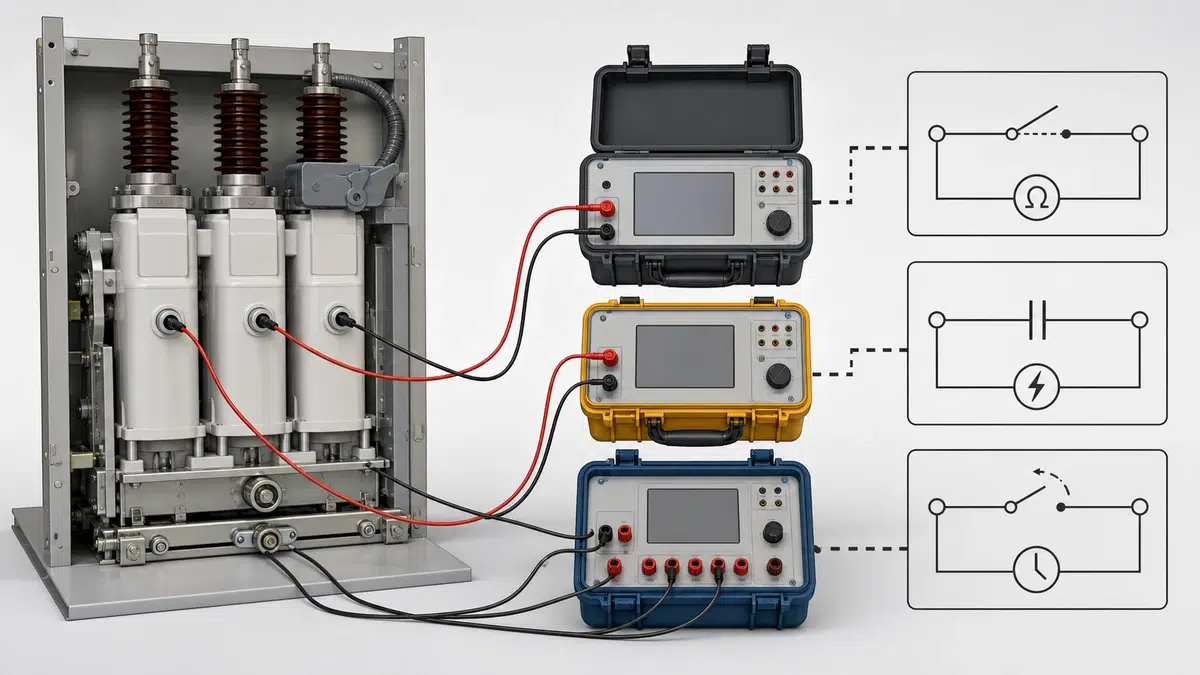
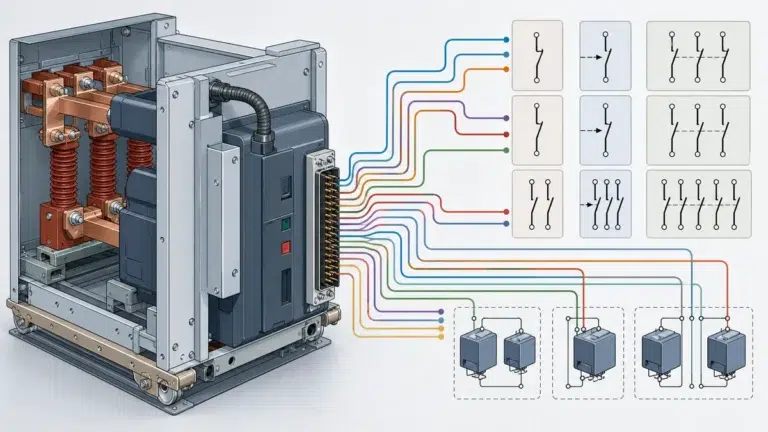
الدائرة الثانوية جزء من نظام تشغيل VCB وليست ملحقاً يمكن التعامل معه بلا احتياط. تنص إرشادات Schneider EvoPacT على عدم فصل قابس الدائرة الثانوية وطاقة التحكم إلا في وضع الاختبار أو الفصل المحدد، وتعد القابس جزءاً من تكامل طاقة القاطع والتحكم فيه. لذلك ينبغي لإجراء SAT ضبط توقيت وطريقة توصيل القابس الثانوي أو فصله.
يمكن اتباع التسلسل العملي التالي:
| خطوة | الإجراء | أساس القبول |
|---|---|---|
| 1 | تحقق من وضع القاطع قبل لمس القابس الثانوي | الوضع المسموح الذي تحدده الشركة المصنعة |
| 2 | افحص القابس والمقبس الثانويين | لا ضرر أو دبابيس مثنية أو تلوث أو تثبيت مرتخٍ |
| 3 | تحقق من مصدر طاقة التحكم والقطبية عند الاقتضاء | المخطط المعتمد |
| 4 | تحقق من مسار دائرة الغلق | مخطط التحكم بالمشروع |
| 5 | تحقق من مسار دائرة الفصل | مخطط الحماية والتحكم |
| 6 | تحقق من مؤشرات النابض المشحون والمفتوح والمغلق والاختبار والخدمة | مخطط الخلية ومنطق المنتج |
| 7 | تحقق من منطق منع الضخ أو منع الغلق إن وجد | تصميم الشركة المصنعة والمشروع |
تجنب تغذية دوائر التحكم قبل اكتمال فحص الأسلاك. إذا استُخدمت مصادر مؤقتة للطاقة أثناء SAT، فينبغي ضبطها ووضع ملصقات عليها وإزالتها بعد الاختبار. يجب تسجيل الوصلات المؤقتة واعتمادها؛ فالوصلات غير المسجلة من مخاطر التشغيل الشائعة.
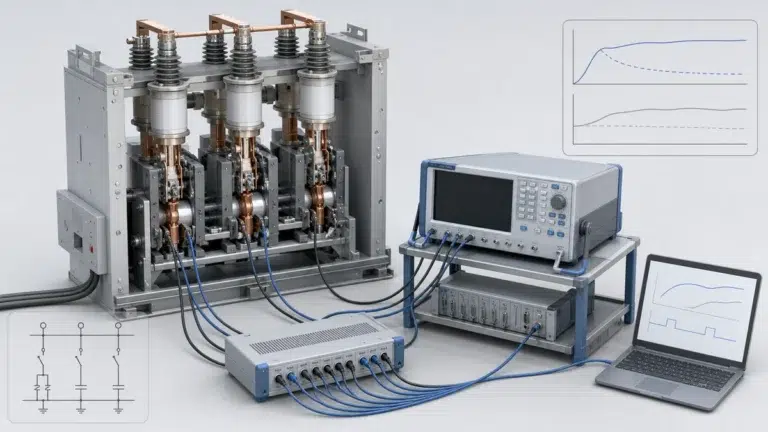
تفصل وثائق صيانة Siemens SDV7 فحوص المسار الرئيسي، ومنها مقاومة تلامس المقاطعة واختبار العزل الكهربائي، عن فحوص آلية التشغيل والتحكم والعزل والأسلاك. وهذا التمييز مهم في خلية VCB جديدة، إذ قد ينجح القاطع في اختبار الفتح والغلق مع بقاء مسائل غير محسومة في المسار الرئيسي.
ينبغي أن يتعامل إجراء SAT مع فحوص المسار الرئيسي في مجموعة مستقلة:
| عنصر المسار الرئيسي | هدف SAT |
|---|---|
| مسار التلامسات الرئيسية | تحقق من الاستمرارية ومن قبول الحالة المقاسة وفق معايير المشروع |
| مقاومة تلامس المقاطعة | قسها وقارنها بأساس القبول لدى الشركة المصنعة أو المشروع |
| حالة العزل | اختبر وفق الإجراء المعتمد وحدود الجهد |
| تعريف الأطوار | تحقق من ترتيب الأطوار الصحيح وفق الرسومات |
| واجهات القضبان والكابلات | تحقق من اكتمال التركيب ونظافته |
| واجهات التأريض | تحقق من متطلبات الربط والتأريض الوقائي |
لا يجوز إجراء اختبارات العزل الكهربائي أو العزل إلا وفق إجراء الموقع المعمول به، مع مراعاة المعدات المتصلة. وقد يلزم عزل أجهزة حساسة أو محولات جهد أو مانعات صواعق أو عدادات أو دوائر مساعدة تبعاً لتصميم المشروع وتعليمات الشركة المصنعة. ينبغي أن يحدد إجراء SAT ما هو موصول وما هو معزول ومن اعتمد التهيئة. راجع مجموعة منتجات VCB للجهد المتوسط كنقطة بداية عملية لمطابقة صيغة القاطع المطلوبة مع التطبيق.
ينبغي للاختبار الوظيفي أن يؤكد عمل القاطع كما ينبغي مع أوامر التشغيل الكهربائية والميكانيكية المقصودة. ويتحقق فريق التشغيل هنا من محرك الشحن وملف الغلق وملف الفصل وملف التثبيت عند الاقتضاء والملامسات المساعدة ومفاتيح الوضع المحددة في إرشادات المنتج، مثل وثائق ABB SecoVac.
يمكن تنظيم اختبار تشغيل مضبوط كما يلي:
| الوظيفة | إجراء الاختبار | النتيجة المتوقعة |
|---|---|---|
| شحن الربيع | طبّق طاقة التحكم المعتمدة وابدأ الشحن حسب التصميم | يظهر مؤشر الشحن ويتوقف المحرك كما ينبغي |
| الغلق الكهربائي | أصدر أمر الغلق في ظروف مسموح بها | يغلق القاطع وتتغير حالة مؤشر الغلق |
| الفصل الكهربائي | أصدر أمر الفصل من دائرة التحكم | يفتح القاطع وتتغير حالة مؤشر الفتح |
| الفصل المحلي أو الميكانيكي | اختبره فقط إذا سمح الدليل والإجراء بذلك | يفتح القاطع كما ينبغي |
| الملامسات المساعدة | تحقق من تغير الحالة في وضعي الفتح والغلق | تطابق الإشارات والمؤشرات البعيدة مع الرسومات |
| مفاتيح الوضع | تحقق من مؤشرات الاختبار والخدمة والفصل عند الاقتضاء | تطابق الإشارات مع حالة الخلية |
| منع الغلق والتشابكات | أجرِ الاختبارات السلبية المعتمدة فقط | لا يعمل القاطع في حالة محظورة |
ليس الهدف من الاختبار الوظيفي زيادة عدد عمليات التشغيل، بل إثبات ظروف التشغيل المحددة من دون إساءة استخدام الآلية أو التسبب في تآكل غير ضروري. إذا تطلب العقد تسلسلاً معيناً للواجبات، مثل تسلسل مستمد من اختبارات IEC 62271-100، فيجب ذكر المتطلب الدقيق في خطة SAT. وإلا فينبغي أن يتبع الإجراء الموقعي أساس الاختبار التعاقدي والمحدد للمنتج. يساعد مرجع البيانات الاسمية لـ VCB على تحويل واجب النظام إلى بيانات القاطع الواجب التحقق منها.
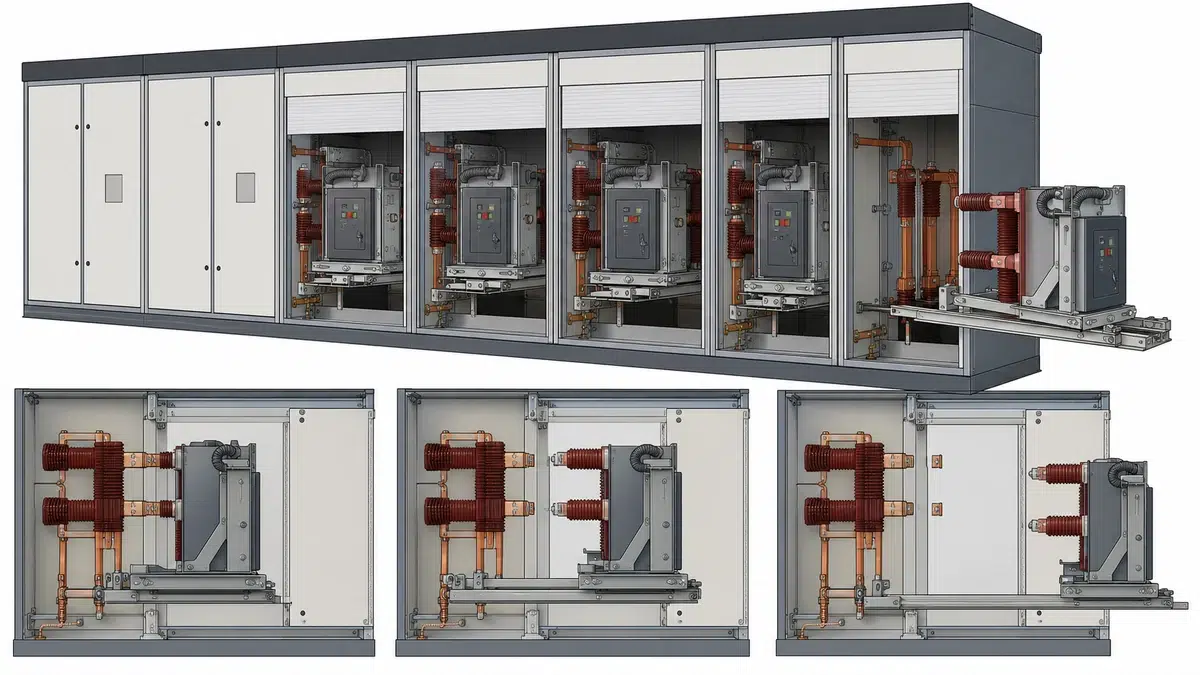
تكون خلية VCB عادة جزءاً من منظومة حماية وتحكم أوسع. لذلك ينبغي لـ SAT أن يؤكد استجابة القاطع الصحيحة لمصادر الفصل المقصودة وأن تتطابق مؤشرات غرفة التحكم أو المرحل أو الرسم التخطيطي أو SCADA مع الوضع الفعلي للقاطع.
قد يتضمن إجراء الاختبار ما يلي:
| الواجهة | تحقق SAT |
|---|---|
| خرج الفصل لمرحّل الحماية | يفصل القاطع عبر دائرة الفصل الصحيحة |
| جهاز فصل طارئ أو قفل | يعمل وفق المخطط المعتمد |
| أمر غلق عن بُعد | لا يعمل إلا عند تحقق شروط السماح |
| أمر فتح عن بُعد | يفتح القاطع وفق التصميم |
| محدد محلي/عن بُعد | يحجب الأوامر أو يسمح بها وفق الرسومات |
| مراقبة دائرة القطع | تحقق من حالتي السلامة والإنذار حيثما كانت المراقبة مركبة |
| شروط السماح بالغلق | يمنع منطق التحكم الغلق غير الآمن |
| إشارات إلى SCADA أو لوحة التحكم | تطابق إشارات الفتح والغلق وشحن النابض والوضع الحالة الفعلية |
عند إجراء اختبار حقن الحماية، ينبغي لإجراء SAT التمييز بين اختبار منطق المرحل واختبار تشغيل القاطع. فقد يعمل ملامس خرج المرحل كما ينبغي بينما يظل هناك خلل في دائرة ملف الفصل أو القابس الثانوي أو مصدر الطاقة المساعد أو أسلاك الخلية. يجب أن يثبت سجل القبول اختبار مسار الأمر النهائي حتى VCB. ولتخطيط حضور الشهود والسجلات، واءم الأدلة مع قائمة التحقق لقبول VCB.
التشابكات ضرورية لتشغيل خلية VCB بأمان. فهي تمنع السحب غير الصحيح والغلق غير الآمن والوصول إلى الحجرات المكهربة والتشغيل في الوضع الخطأ. ولأن التشابكات خاصة بالمنتج، يجب أن يتبع الاختبار التسلسل المحدد من الشركة المصنعة لا قائمة تحقق عامة.
ينبغي لإجراء SAT التحقق مما يلي:
| منطقة التشابك | فحص التكليف |
|---|---|
| فتح القاطع قبل السحب عند الاقتضاء | يُحظر السحب ما لم يكن القاطع في الحالة المسموح بها |
| منطق صحيح لأوضاع الاختبار/الخدمة/الفصل | تتفق مفاتيح الوضع والمؤشرات الميكانيكية |
| حالة القابس الثانوي | مناولة القابس وفق متطلبات الوضع المسموح |
| تشابكات الباب أو الحجرة | يعمل التحكم في الوصول حسب التصميم |
| تشابك مفتاح التأريض إن كان جزءاً من الخلية | لا يمكن إجراء العملية إلا في الحالة المسموح بها |
| السماح بالغلق | يُحظر الغلق عند عدم تحقق الشروط المطلوبة |
يجب ضبط الاختبار السلبي بعناية. فالهدف هو التأكد من منع العملية غير الآمنة، لا إجبار المعدة على دخول حالة محظورة.
ينبغي لسجل SAT كامل لـ VCB أن يمكّن مهندساً آخر من فهم ما اختُبر والمعايير المستخدمة وما إذا كانت الخلية جاهزة للخدمة. سجّل النتائج ذات المعنى فقط، وتجنب التعليقات المبهمة مثل «تم الفحص، سليم» عندما تكون هناك حاجة إلى قياس أو حالة أو مرجع.
يتضمن سجل SAT المفيد ما يلي:
| حقل السجل | مثال على المحتوى المطلوب |
|---|---|
| تعريف المعدة | رمز الخلية والرقم التسلسلي للقاطع واسم المغذي |
| أساس المستندات | مراجعة الرسم ومرجع الدليل ومرجع ITP |
| تفاصيل جهاز الاختبار | معرّف الجهاز وحالة المعايرة |
| نتيجة الفحص الميكانيكي | ناجح/راسب مع إدراج الملاحظات |
| التحقق من دائرة التحكم | مصدر الطاقة ومسار الأوامر وحالة المؤشرات |
| قياسات المسار الرئيسي | القيم وأساس القبول |
| عدد عمليات التشغيل الوظيفية | عدد العمليات المنفذة ونوعها |
| التحقق من التشابكات | الحالات المختبرة والنتائج |
| الانحرافات | الوصف وحالة المخاطر وإجراء الإغلاق |
| التوقيع | المقاول أو العميل أو OEM أو الشاهد حسب المطلوب |
ينبغي أن يكون القبول مشروطاً بإغلاق البنود الحرجة. ولا ينبغي قبول قاطع يغلق ويفصل كهربائياً إذا بقيت مسائل التشابكات أو مفاتيح الوضع أو الموصل الثانوي أو اختبار المسار الرئيسي أو الوثائق دون حل.
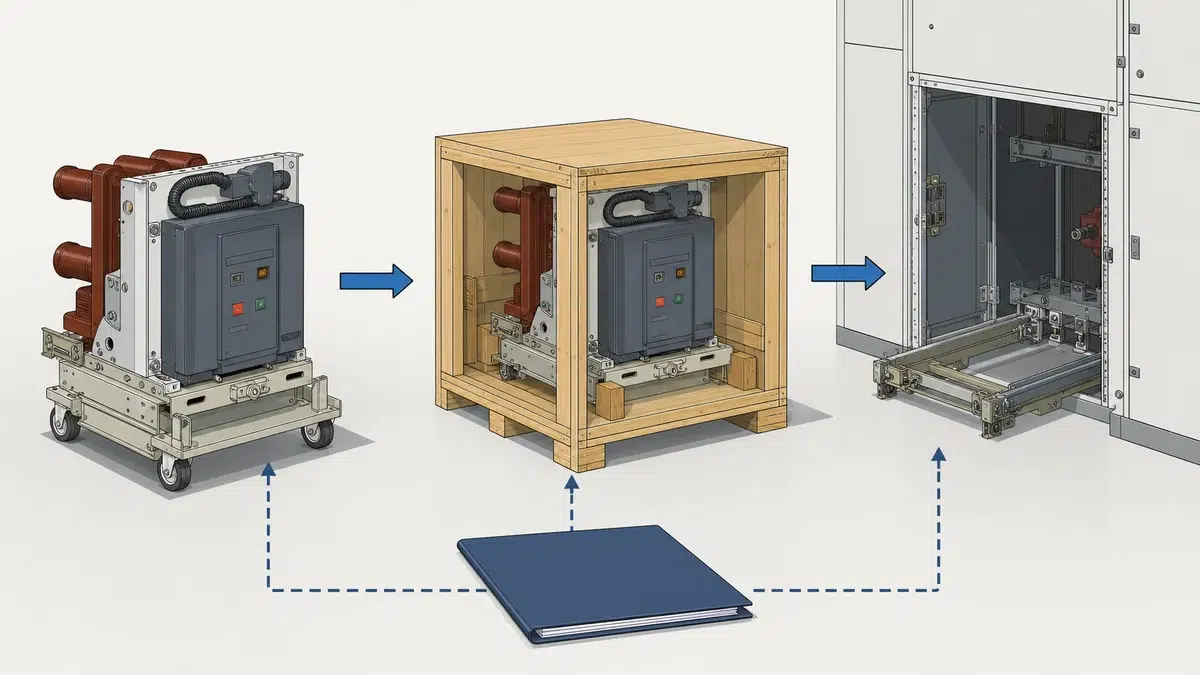
الخطأ الأكثر شيوعاً في SAT لـ VCB هو اعتبار نجاح الغلق والفصل دليلاً على جاهزية الخلية لإدخالها في الخدمة الكهربائية. وتدعم الأدلة البحثية من ABB وSiemens وSchneider اتباع سير عمل أوسع: فحص العناصر الميكانيكية والكهربائية الخاصة بالمنتج، وفصل اختبارات المسار الرئيسي عن فحوص الآلية والتحكم، والتعامل الصحيح مع فصل الدوائر الثانوية، وتطبيق أساس الاختبار التعاقدي المناسب.
تجنب هذه الأخطاء:
| خطأ | لماذا هذا مهم |
|---|---|
| الاختبار دون أحدث الرسومات | قد لا تطابق النتائج المخطط المركب |
| فصل القابس الثانوي في وضع غير صحيح | قد يخالف تعليمات المنتج ويهيئ ظروفاً غير آمنة |
| تجاوز فحوص مفاتيح المساعدة والوضع | قد تكون الإشارات البعيدة ومنطق التحكم غير صحيحين |
| تجاهل التشابكات | قد يظل السحب أو الغلق غير الآمن ممكناً |
| استخدام افتراضات عامة لاختبارات العزل أو دورة التشغيل | قد يتعارض ذلك مع متطلبات الشركة المصنعة أو العقد |
| ترك الوصلات المؤقتة مركبة | قد يؤدي ذلك إلى تعطيل الحماية أو التشابكات أو الإنذارات |
| تسجيل «OK» فقط دون دليل | سجل قبول ضعيف وصعوبة أكبر في استكشاف الأعطال لاحقاً |
يحمي **سير عمل commissioning SAT المنضبط لـ VCB** المعدات والأفراد على حد سواء. كما يقلل تأخيرات إدخال المعدة في الخدمة، إذ تُكتشف العيوب ضمن تسلسل مضبوط بدلاً من اكتشافها أثناء عمليات الفصل والتوصيل النهائية.
سير عمل commissioning SAT لـ VCB هو تسلسل موثق للقبول بالموقع للتحقق من تركيب خلية قاطع الدائرة الفراغي وتوصيلها واختبارها على نحو صحيح وجاهزيتها لإدخالها في الخدمة الكهربائية. ويغطي الوثائق والفحوص الميكانيكية والدوائر الثانوية واختبارات المسار الرئيسي والتشغيل الوظيفي والتشابكات وواجهات الحماية والسجلات النهائية.
يُجرى FAT عادة قبل التسليم للتحقق من مطابقة المعدات لمتطلبات المصنع والعقد. أما SAT فيُجرى بعد التركيب للتحقق من الخلية المركبة وأسلاك الموقع والواجهات والتشابكات وطاقة التحكم وأوامر الحماية والجاهزية النهائية. وقد يعيد SAT بعض الفحوص، لكن ينبغي أن يستند إلى العقد وخطة الفحص والاختبار وتعليمات الشركة المصنعة.
قبل غلق VCB جديد، ينبغي للفريق تأكيد أساس الاختبار المعتمد وهوية المعدة الصحيحة واكتمال التركيب ونظافته وصلاحية مصدر طاقة التحكم وحالة القابس الثانوي الصحيحة وسلامة دائرتي الغلق والفصل وتحقق شروط التشابك وصحة مؤشر الوضع وعدم وجود ملاحظات حرجة.
يوصل قابس فصل الدائرة الثانوية القاطع بطاقة التحكم ودوائر الفصل والغلق والملامسات المساعدة وإشارات الوضع أو الحالة. وتعده إرشادات Schneider EvoPacT جزءاً من تكامل طاقة القاطع والتحكم فيه، وتنص على عدم فصله إلا في وضع الاختبار أو الفصل المحدد. لذلك ينبغي لـ SAT التحقق من حالته المادية ومنطق تشغيله الصحيح.
لا يوجد تسلسل تشغيل موقعي عام يطبق دون تقييم. تورد الأسئلة الشائعة من Schneider بشأن IEC 62271-100 التسلسل O-0.3s-CO-15s-CO لاختبارات محددة للفصل عند القصر والتوصيل والتشغيل الميكانيكي، لكن يجب أن يتبع قبول الموقع أساس الاختبار التعاقدي والمحدد للمنتج. وإذا كان هذا التسلسل مطلوباً فينبغي إدراجه في إجراء SAT؛ وإلا فينبغي لسير العمل الموقعي اتباع متطلبات المشروع والشركة المصنعة المعتمدة.