Need Full Specifications?
Download our 2025 Product Catalog for detailed drawings and technical parameters of all switchgear components.
Get Catalog
Download our 2025 Product Catalog for detailed drawings and technical parameters of all switchgear components.
Get Catalog Download our 2025 Product Catalog for detailed drawings and technical parameters of all switchgear components.
Get Catalog

High altitude switchgear ensures safe, reliable power at elevations above 1000 meters by addressing insulation and cooling challenges unique to thin air.
When you operate electrical systems at high elevations, you face special challenges that standard switchgear cannot handle. High altitude switchgear uses materials and designs that help it work safely above 1000 meters. Lower air density at these heights makes it harder for equipment to cool itself, raising temperatures and stressing components. You also see insulation become brittle and more likely to crack, while increased solar radiation can damage materials over time. The risk of arcing rises because air loses its ability to insulate, so you need switchgear built for these tough conditions.
High altitude switchgear is essential for electrical systems above 1000 meters due to thinner air affecting insulation and cooling.
Special designs and materials in high altitude switchgear prevent overheating and insulation breakdown, ensuring reliable power delivery.
Regular inspections and maintenance are crucial to catch issues early and extend the lifespan of high altitude switchgear.
Increased electrical clearances and advanced cooling systems help reduce the risk of arcing and equipment failures in harsh environments.
Choosing the right switchgear involves assessing site conditions like altitude, temperature, and humidity to ensure optimal performance.
Gas Insulated Switchgear (GIS) and Solid Insulated Switchgear (SIS) are preferred technologies for high altitude applications due to their reliability and low maintenance needs.
Following IEC and IEEE standards is vital for safety and performance when installing high altitude switchgear.
Investing in high altitude switchgear may have higher upfront costs, but it leads to long-term savings through reduced failures and maintenance.
High altitude switchgear helps you control and protect electrical power systems in places above 1000 meters. You need this special equipment because the air gets thinner as you go higher. Thinner air cannot insulate or cool electrical parts as well as at lower elevations. This switchgear uses advanced designs and materials to keep your power system safe and reliable.
You will notice that high altitude switchgear looks different from regular switchgear. The design changes help it work safely in tough mountain environments. Here are some of the main adaptations you will find:
Adaptation Type | Description |
|---|---|
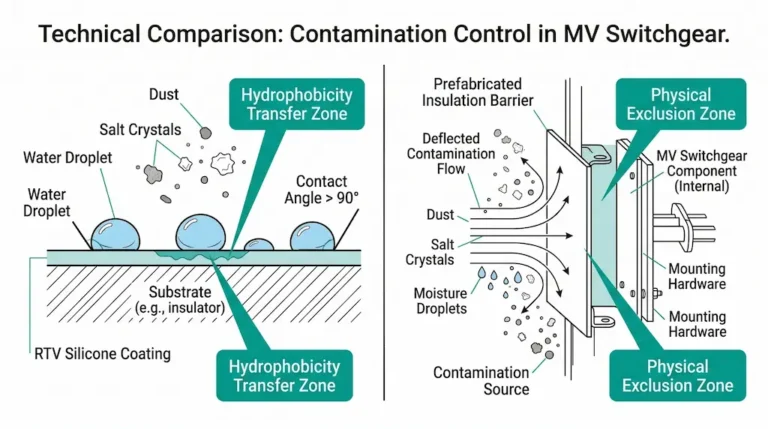
Altitude-Enhanced Insulation | You get 20–50% larger electrical clearances, such as phase-to-phase gaps of at least 300mm for 40.5kV. Special coatings like RTV or silicone rubber insulators stop tracking and cracking. |
Thermal Management | Top-mounted centrifugal fans and bottom louvers push air through the equipment. Heat sinks pull heat away from high-power parts. |
High-Reliability Components | You use current and voltage transformers that meet strict standards. Seals made from low-temperature silicone keep out dust and moisture, even at -40°C. |
Core Value | These features stop insulation breakdown and overheating, so your grid stays safe even in extreme conditions. |
You see that every part of the design focuses on safety and performance at high elevations.
You need strong and reliable materials for high altitude switchgear. Silicone rubber insulators resist cracking from cold and sunlight. Special coatings protect surfaces from dust and moisture. Metals with high thermal conductivity help move heat away from sensitive parts. These choices make sure your switchgear lasts longer and works better in harsh environments.
You might wonder how high altitude switchgear compares to the standard type you use at lower elevations. The differences matter a lot when you want safe and steady power.
Standard switchgear works well at sea level, but it struggles above 1000 meters. High altitude switchgear gives you better insulation and cooling. For example, you need to increase electrical clearance by 10% for every 1000 meters you go up. You also need to reduce the rated capacity of your equipment—by 1% for oil-immersed types and 2.5% for dry-type switchgear for each 1000 meters. These changes help prevent failures and keep your system running smoothly.
Strategy | Description |
|---|---|
Capacity Derating | You reduce the equipment’s capacity as you go higher to avoid overheating. |
Insulation Adjustments | You increase the space between live parts to stop arcing. |
Cooling System Modifications | You use forced-air cooling above 2,000 meters to keep temperatures safe. |
You face many challenges at high elevations, such as cold, dust, and strong sunlight. High altitude switchgear uses advanced cooling systems, larger clearances, and special coatings to handle these problems. You also find that high-voltage switchgear and high voltage switchgear for these areas often include extra safety features. These adaptations help you avoid breakdowns and keep your power grid reliable, even in the toughest conditions.
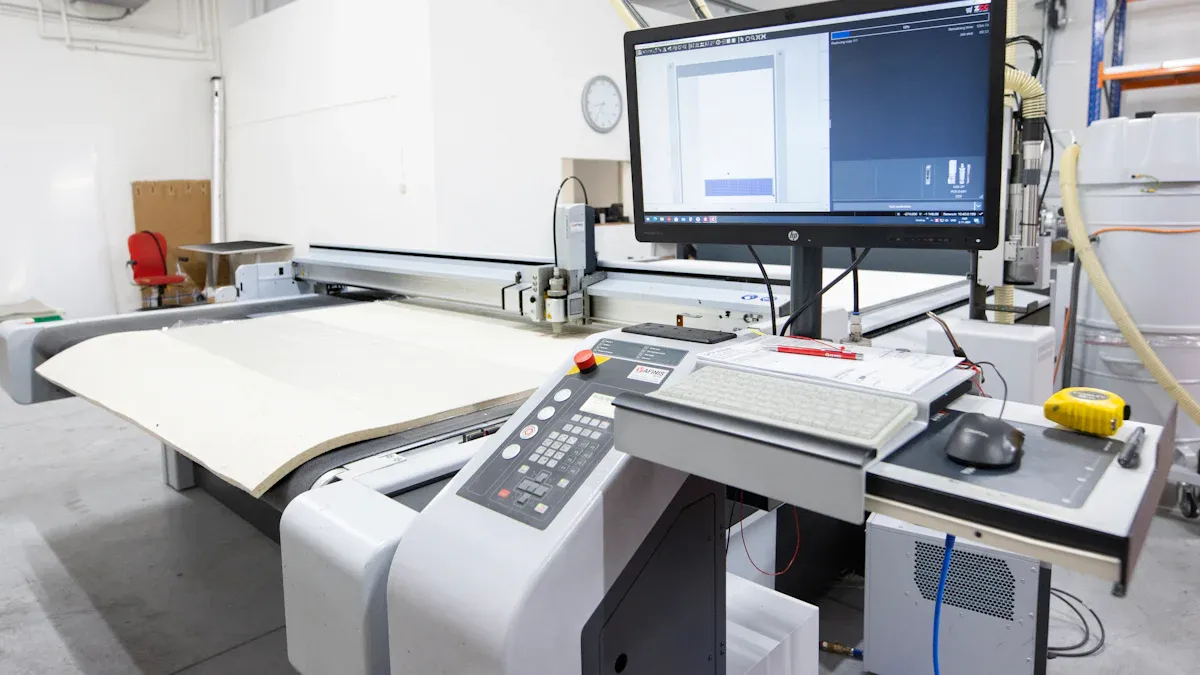
When you install switchgear at higher elevations, you face a big challenge: the air gets thinner. Thinner air cannot insulate as well as dense air at sea level. This change affects how electricity moves and how well your equipment can stop dangerous arcs. You need to know that:
Lower air density at high altitudes causes a drop in the surface flashover voltage. This makes circuit breakers more likely to have insulation breakdown during normal use.
For every 1000 meters you go up, the air pressure drops by about 7.7 to 10.5 kPa. This drop reduces the strength of external insulation by 8% to 13%.
As you climb higher, the dielectric strength of air decreases. This weakens the external insulation of vacuum interrupters and other parts.
The risk of insulation breakdown rises because the air cannot stop electrical arcs as well.
You must pay close attention to these changes if you want your power system to stay safe and reliable.
Because the air cannot insulate as well at high altitudes, you need to boost the insulation in your switchgear. You cannot use the same clearances or materials as you would at lower elevations. The table below shows how much you need to adjust the withstand voltage as you go higher:
Altitude Above 1000m (meters) | Withstand Voltage Decrease (%) |
|---|---|
100 | 1 |
500 | 5 |
1000 | 10 |
2000 | 20 |
You see that for every 100 meters above 1000 meters, the withstand voltage drops by about 1%. You must increase insulation clearances and use better materials to keep your equipment safe.
At sea level, dense air helps carry away heat from your switchgear. When you move to higher altitudes, the air gets thinner and cannot cool your equipment as well. This means:
Heat builds up faster inside your switchgear.
The lower heat-transfer coefficient makes it harder for fans and heat sinks to do their job.
Internal temperatures rise, which can damage insulation and shorten the life of your equipment.
You need to use special cooling systems and materials to manage these risks.
When your switchgear runs hotter, the risk of failure goes up. High temperatures can cause insulation to break down faster. Components may wear out sooner, leading to more outages and repairs. You must check your equipment often and use high altitude switchgear designed for these tough conditions. This helps you keep your power system running smoothly, even in the mountains.
When you install high-voltage switchgear at elevation, you need to think about insulation. The air gets thinner as you go higher. This means the air cannot stop electricity from jumping between parts as well as it does at sea level. You must raise the Basic Insulation Level, or BIL, to keep your equipment safe. BIL tells you how much voltage your switchgear can handle before it breaks down. At higher altitudes, you need to increase the insulation distance and use better materials. You may also need to use special coatings to protect against flashovers. These changes help your high voltage switchgear withstand the extra stress from the thin air.
You want your power system to stay safe, even in tough mountain conditions. High-voltage switchgear at elevation often includes extra safety features. You might see wider gaps between live parts and stronger barriers to stop arcs. Some designs use sensors to watch for overheating or insulation problems. These safety enhancements lower the risk of fires and equipment failures. You can trust your high altitude switchgear to protect your grid, even when the environment gets harsh.
Gas Insulated Switchgear, or GIS, works well at high elevations. You use GIS when you need compact equipment that fits in small spaces. GIS uses a special gas, usually SF6, to insulate the electrical parts. This gas works better than air at stopping arcs, even when the air is thin. GIS also keeps out dust and moisture, which helps your equipment last longer. You often find GIS in cities or places where space is tight.
Solid Insulated Switchgear, or SIS, gives you another good choice for high-voltage switchgear at elevation. SIS uses solid materials, like epoxy resin, to insulate the parts inside. You do not need gas or oil, so SIS is safer for the environment. SIS works well in places where you want low maintenance and high reliability. You can use SIS in remote areas or where you need to avoid leaks.
Tip: When you choose high voltage switchgear for high-altitude sites, compare the main technologies. Each one has its own strengths.
Technology | Advantages |
|---|---|
Air-Insulated Switchgear (AIS) | Suitable for outdoor use, redistributes high-voltage power for medium-voltage purposes. |
Gas-Insulated Switchgear (GIS) | More compact, suitable for smaller spaces, ideal for urban environments. |
You see that GIS and SIS both help you solve the problems of high elevation. They keep your power system safe and reliable, even when the air is thin and the weather is harsh.
You face higher failure rates when you use switchgear at high altitudes. The thin air, cold temperatures, and strong sunlight all put stress on your equipment. Moisture and dust can get inside, causing insulation to break down and metal parts to corrode. You also see more partial discharge events, which can damage insulation and lead to faults. The table below shows common reliability indicators and what they mean for your switchgear:
Indicator / Parameter | Quantifiable Values / Thresholds | Relevance to Contamination Diagnosis in Switchgear |
|---|---|---|
Relative Humidity (RH) | Above 50% | Increases partial discharge and insulation wear |
Moisture Content | Linked to RH and dew point | Causes corrosion on metal parts |
CO Concentration | None/slight: 0 ppm; Moderate: 0–48 ppm; Severe: >48 ppm | Shows how severe partial discharge is |
You need to check these values often. High humidity and moisture can lead to more failures, especially in high-voltage switchgear. Regular inspections help you catch problems early.
You must reduce the rated capacity of your switchgear as you go higher. The air cannot cool your equipment as well, so it heats up faster. This means you cannot run your high voltage switchgear at full power. You need to lower the load to prevent overheating and insulation breakdown. The table below lists common failure modes and how you can prevent them:
Failure Mode | Description | Mitigation Strategy |
|---|---|---|
Faulty Connections | Loose wires cause heat and faults | Use infrared inspections and tighten connections |
Water Intrusion | Moisture causes shorts and corrosion | Monitor with partial discharge detectors and cameras |
Breaker Racking | Mishandling damages breakers | Use interlocks and inspect components regularly |
Insulation Breakdown | Voltage stress damages insulation | Use partial discharge detectors for early detection |
You can see that regular maintenance and monitoring are key to keeping your switchgear reliable.
You need better insulation to handle the stress of high-altitude environments. New designs use hermetic feedthroughs that keep out moisture and dust. Epoxy-based hermetic feedthroughs last longer and work well in harsh conditions. You also see a move toward sustainable solutions. For example, some companies now offer high-voltage switchgear that performs well and reduces environmental impact. These innovations help you keep your power system safe and reliable.
Hermetic feedthroughs block moisture and dust.
Epoxy-based materials resist cracking and last longer.
Sustainable designs lower the impact on the environment.
You must use advanced cooling methods to manage heat at high elevations. Standard air cooling does not work as well when the air is thin. You can add top-mounted fans, heat sinks, and special louvers to improve airflow. Some systems use sensors to watch for overheating and alert you before problems start. These cooling upgrades help you avoid failures and keep your high-voltage switchgear running smoothly.
Tip: Schedule regular maintenance tasks like lubrication every six months, visual inspections each month, and spare parts checks every quarter. These steps reduce wear, catch problems early, and minimize downtime.
By using these innovations and best practices, you can solve many of the challenges that come with high-altitude switchgear installations.
You want your power system to run safely, even in tough environments. High altitude switchgear helps you lower the risk of electrical arcing. At higher elevations, thin air makes it easier for electricity to jump between parts. You need switchgear with larger clearances and better insulation. These features stop arcs from forming and protect your equipment. You also see fewer fires and less damage when you use switchgear designed for high altitudes.
You expect your power system to work well every day. High altitude switchgear gives you steady performance, even when the weather changes. Special materials and cooling systems keep the equipment from overheating. You do not have to worry about sudden failures or breakdowns. Your grid stays reliable, and you avoid costly repairs. Consistent performance means you can trust your system to deliver power when you need it most.
Note: Reliable switchgear helps you avoid outages and keeps your community safe.
You must follow strict rules when you install switchgear at high altitudes. International standards like IEC and IEEE set the requirements for safety and performance. These guidelines make sure your equipment works correctly in different environments. You need to check that your switchgear meets these standards before you use it.
Load break switches must follow IEC and IEEE standards for high-voltage systems.
These standards help your equipment operate safely under many conditions.
Meeting these guidelines is important for the safety, reliability, and performance of high altitude switchgear.
You need to follow local and national regulations when you choose switchgear for your power system. Authorities often require you to use equipment that meets international standards. You must keep records to show that your switchgear passes all safety tests. Regular inspections help you stay compliant and avoid fines. When you follow these rules, you protect your workers and your community.
Requirement Type | What You Must Do |
|---|---|
Safety Certification | Get approval from recognized testing agencies |
Documentation | Keep records of inspections and maintenance |
Environmental Rules | Use materials that meet local environmental laws |
You see that following standards and regulations helps you build a safer and more reliable power system. High altitude switchgear gives you the tools you need to meet these demands.
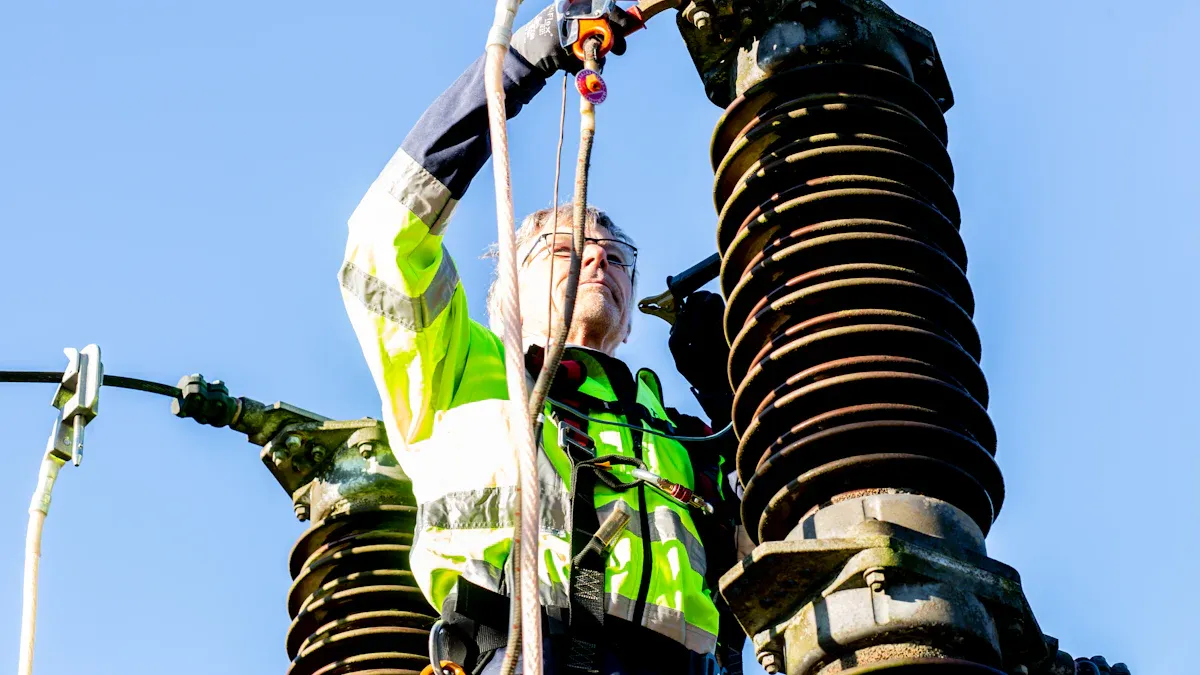
High altitude switchgear plays a key role in mountain areas. You often find these systems in places where the terrain is rough and the air is thin. The equipment helps you keep power flowing in challenging conditions.
You use switchgear in utility substations to control and protect the flow of electricity. In mountain regions, substations face cold, dust, and low air pressure. Switchgear with SF6 gas insulation works well here because it keeps its insulating power even when the air gets thin. You see these substations in places like hydro stations and underground facilities. They help you deliver reliable power to towns and cities in high-altitude areas.
Industrial sites in the mountains need strong and reliable switchgear. You find these systems in mining operations, factories, and industrial townships. The equipment protects workers and machines from electrical faults. It also helps you avoid downtime, which is important for industries that run all day and night. You can trust high altitude switchgear to handle the tough conditions found in these locations.
You see more renewable energy projects in high-altitude areas every year. Wind and solar power plants need special equipment to work safely and efficiently.
Wind farms often sit on mountain ridges where the wind blows strong and steady. You use switchgear to connect wind turbines to the grid and protect them from faults. The equipment must handle low air pressure and cold temperatures. High altitude switchgear keeps your wind farm running, even when the weather changes quickly.
Solar plants in high places get lots of sunlight. You need switchgear that can handle strong UV rays and dust. The equipment helps you manage the flow of electricity from solar panels to the grid. You also use medium voltage switchgear to step up the voltage for long-distance transmission. This keeps your solar plant safe and efficient.
Tip: When you plan a renewable energy project at high altitude, choose switchgear that meets international standards for insulation and safety.
Remote sites far from cities also need reliable power. High altitude switchgear helps you bring electricity to these hard-to-reach places.
You find research stations in mountains and other remote areas. Scientists need steady power for their equipment. Switchgear protects the station from electrical faults and keeps the power on during storms or cold snaps. You can rely on this equipment to support important research work.
Off-grid systems use switchgear to manage power from local sources like solar panels or small hydro plants. These systems help you bring electricity to villages, lodges, or communication towers in the mountains. The equipment must work well in harsh weather and with little maintenance. High altitude switchgear gives you the reliability you need for off-grid living.
Application Area | Typical Use Cases | Key Benefit |
|---|---|---|
Mountainous Regions | Utility substations, hydro stations | Reliable power in thin air |
Renewable Installations | Wind farms, solar plants | Safe, efficient energy transfer |
Remote Infrastructure | Research stations, off-grid systems | Power in hard-to-reach locations |
You see that high altitude switchgear supports many important projects. It helps you keep the lights on, even in the world’s toughest environments.
When you choose switchgear for high altitude locations, you need to assess the site carefully. You look at many factors to make sure your equipment will work safely and reliably.
You must consider how altitude affects your switchgear. Higher elevations mean thinner air, which can change how your equipment cools and insulates. You need to adjust ratings and select cooling systems that match the local conditions. The table below shows important factors you should review during site assessment:
Factor | Description |
|---|---|
Enclosure & Environment Ratings | Select switchgear enclosures with appropriate IP and IK ratings to resist dust, water, and impacts. |
Altitude/Temperature/Humidity | Consider derating switchgear due to high altitude or temperature, and ensure cooling systems are adequate. |
You see that enclosure ratings and environmental conditions play a big role in your selection process.
You need to survey the environment around your installation site. Check for dust, moisture, and temperature extremes. These conditions can affect the lifespan and reliability of your switchgear. You also look at local weather patterns and the risk of contamination. By understanding the environment, you can choose equipment that will last longer and require less maintenance.
Proper maintenance keeps your switchgear working well for years. You follow a set of best practices to avoid problems and extend the life of your equipment.
You inspect your switchgear regularly to catch issues early. At high altitudes, you use reinforced enclosures with strong pressure relief devices and sealing systems. You minimize the filling pressure to meet insulation needs. Cable connection bushings must handle higher voltage classes to prevent failures. Lower temperatures can affect electrical conductivity and shorten the service life of components. You also watch how air density changes arc quenching systems.
Tip: Schedule inspections more often in harsh environments to prevent unexpected breakdowns.
As your switchgear ages, you need to upgrade and retrofit parts to keep everything running smoothly. You follow these maintenance steps:
Inspect the physical condition of switchgear and check the surrounding environment for dust and moisture.
Follow the manufacturer’s maintenance procedures, including lubrication and tightening components.
Replace worn parts on time to avoid failures.
Recondition or refurbish older switchgear to extend its lifespan.
Develop a preventative maintenance plan with scheduled inspections, cleaning, and component testing.
Keep detailed maintenance reports to track performance and spot trends.
Check ventilation and dehumidification equipment for proper air circulation.
Monitor internal temperature and humidity to find control system problems early.
Record test data and problems to track how your switchgear ages.
You save money and reduce downtime by keeping your equipment in top shape. Gas Insulated Switchgear (GIS) costs more at first, but you spend less on maintenance and energy loss over time. GIS also has fewer outages, making it a smart choice for high altitude and urban sites.
You rely on high altitude switchgear to keep your power system safe and reliable in tough environments. The table below highlights why specialized designs matter:
Key Point | Description |
|---|---|
Insulation Properties | Air density drops at elevation, raising safety risks. |
Derating Necessity | MCCBs need derating above 2,000 meters for safe operation. |
Safety Risks | Ignoring altitude effects can cause arc faults and equipment failures. |
You see new trends shaping the future. Smart grid technology and advanced insulation make switchgear more efficient. Growing renewable energy projects need robust solutions. High altitude switchgear helps you meet these demands and build a safer, cleaner energy future.
You use high altitude switchgear to control and protect electrical systems above 1000 meters. This equipment has special designs and materials to handle thin air, cold, and strong sunlight.
Thin air at high elevations reduces insulation and cooling. You see higher risks of arcing, overheating, and insulation breakdown. You need switchgear built for these conditions.
You check the site’s altitude, temperature, and humidity. You choose switchgear with enhanced insulation, cooling, and environmental protection. Always review manufacturer guidelines and local standards.
You inspect your equipment more often. You clean, lubricate, and test components. You replace worn parts quickly. Regular maintenance helps you avoid failures and extend equipment life.
Gas Insulated Switchgear (GIS) and Solid Insulated Switchgear (SIS) perform well.
You get reliable insulation, compact size, and less maintenance.
You may pay more upfront for specialized designs and materials. Over time, you save money with fewer failures, less downtime, and lower maintenance costs.
You follow IEC and IEEE guidelines for safety and performance. You also meet local regulations. These standards help you keep your power system safe and reliable.