Need Full Specifications?
Download our 2025 Product Catalog for detailed drawings and technical parameters of all switchgear components.
Get Catalog
Download our 2025 Product Catalog for detailed drawings and technical parameters of all switchgear components.
Get Catalog Download our 2025 Product Catalog for detailed drawings and technical parameters of all switchgear components.
Get Catalog

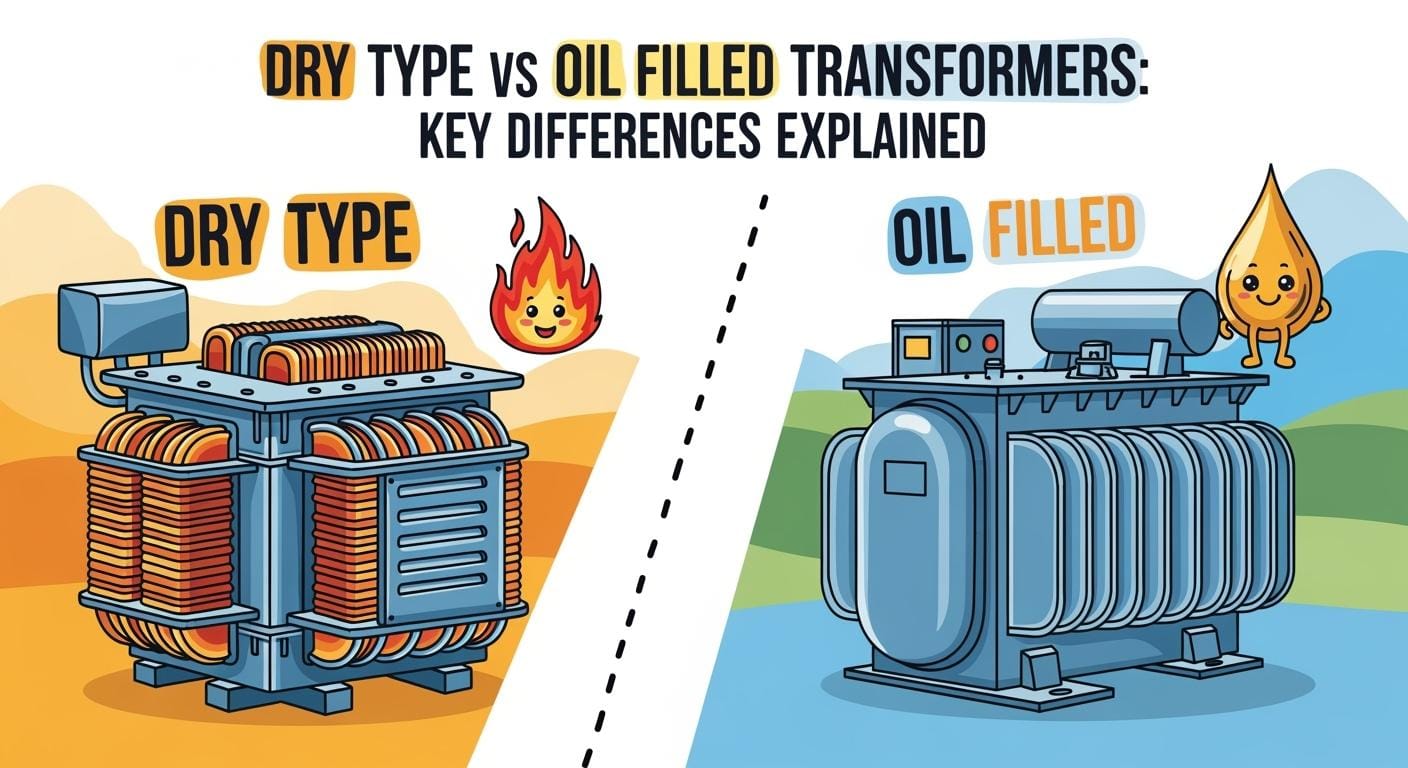
Compare dry type vs oil filled transformers for safety, efficiency, cost, and best uses. Find out which transformer type fits your project needs.
When you look at dry type vs oil filled transformers, you see clear differences in how they operate and where they fit best. Dry type transformers use air for cooling and offer strong fire resistance, while oil filled transformers rely on oil for cooling, which increases efficiency but brings a risk of leaks. Your choice matters because these differences affect safety, energy use, maintenance, and cost.
Aspect | Dry Type Transformers | Oil Filled Transformers |
|---|---|---|
Efficiency | Lower under heavy load | Higher, better cooling |
Cost | Higher upfront, safer | Lower upfront, more efficient |
Safety | Fire-resistant, no oil spills | Oil leak risk, often outdoors |
Consider your needs for efficiency, budget, safety, and the environment. This knowledge helps you make the right decision for your project.
Dry type transformers use air for cooling, making them safer for indoor use and reducing fire risks.
Oil filled transformers operate more efficiently under heavy loads due to superior cooling from oil, but they pose fire and environmental risks.
Consider your installation site: dry type transformers are ideal for indoor settings, while oil filled transformers suit outdoor applications.
Maintenance needs differ: dry type transformers require less frequent checks, while oil filled transformers need regular oil testing and monitoring.
Evaluate costs carefully: dry type transformers have higher upfront costs but may save on long-term maintenance, while oil filled transformers are cheaper initially but require ongoing care.
Safety is crucial: choose dry type transformers for environments with strict fire safety regulations, such as hospitals and schools.
Think about environmental impact: dry type transformers avoid oil disposal issues, while oil filled transformers can lead to soil and water contamination if leaks occur.
Assess your power needs: oil filled transformers support higher voltage applications, making them suitable for utility grids and industrial settings.
You will find that dry type transformers use air as their main cooling medium. The coils and core sit inside a sealed enclosure, but they do not get submerged in any liquid. Air circulates around the windings to remove heat. This design makes dry type transformers safer for indoor use, especially in places where fire safety is a top concern, such as schools, hospitals, and commercial buildings.
Dry type transformers have a simple structure. The windings and core are often coated with epoxy resin or other insulation materials. This coating protects the components from dust and moisture. You do not need to worry about oil leaks or spills, which makes maintenance easier and reduces environmental risks.
Typical use cases for dry type transformers include:
Indoor power distribution
High-rise buildings
Underground substations
Sensitive environments where fire risk must stay low
Tip: Dry type transformers operate with low maintenance needs. You do not need to disconnect them for routine checks, which saves you time and effort.
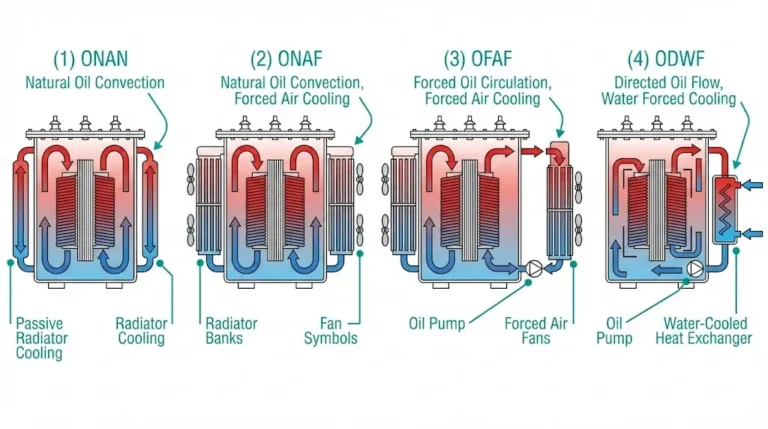
Oil filled transformers use oil as both a cooling and insulating medium. The core and windings are fully submerged in special transformer oil. This oil absorbs heat from the components and transfers it to the tank walls, where it dissipates into the surrounding air. Oil cooling allows these transformers to handle higher loads and operate more efficiently.
The structure of oil filled transformers includes a sealed tank filled with oil, along with cooling fins or radiators to help release heat. You will often see these transformers installed outdoors because oil can leak or spill, which poses a fire and environmental risk indoors.
Oil filled transformers are common in:
Outdoor substations
Industrial plants
Utility grids
Applications that require high efficiency and large power capacity
You should know that oil filled transformers need regular maintenance. Oil testing is important to check for moisture, acidity, and other contaminants. This helps prevent failures and extends the life of the transformer.
Here is a quick comparison to help you see the main differences:
Feature | Dry Type Transformers | Oil Filled Transformers |
|---|---|---|
Cooling Medium | Air | Oil |
Maintenance | Low, no disconnection needed | High, regular oil testing required |
Operational Cost | Higher, more energy loss | Lower, more energy efficient |
Noise | Noisier due to air circulation | Quieter operation |
Installation Site | Indoors, safer for environment | Outdoors, risk of oil spills |
When you compare dry type vs oil filled transformers, you see that each type has a unique structure and set of benefits. Your choice depends on your installation site, safety needs, and efficiency goals.
You will notice that dry type transformers rely on air as their cooling medium. Air circulates around the windings and core, carrying away heat. This design uses solid insulation materials, which means you do not need to worry about flammable or toxic liquids. You gain a significant safety advantage because air cooling eliminates the risk of fire or hazardous spills. Dry type transformers work well indoors, especially in places where safety is a top priority.
Note: Air cooling makes dry type transformers ideal for environments like hospitals, schools, and commercial buildings.
Oil filled transformers use mineral oil for both cooling and insulation. The oil absorbs heat from the core and windings, then transfers it to the tank walls. This process allows the transformer to handle higher loads and operate more efficiently. However, oil cooling introduces fire hazards if you do not maintain the transformer properly. You must take extra precautions during installation and maintenance. Oil filled transformers usually stay outdoors, and indoor installations require strict monitoring to reduce fire risks.
When you compare dry type vs oil filled transformers, you see a clear difference in energy efficiency. Oil filled transformers perform better under heavy loads because oil cools more effectively than air. You get lower energy losses and higher operational efficiency. Dry type transformers, while safer, tend to lose more energy as heat, especially during high-demand periods.
You should consider voltage rating when choosing between dry type vs oil filled transformers. Oil filled transformers support higher voltage ratings due to their superior cooling properties. Dry type transformers usually handle lower voltage applications. The following table shows the typical voltage capacity differences:
Transformer Type | Cooling Medium | Voltage Capacity Differences |
|---|---|---|
Dry Type | Air | Generally lower voltage ratings compared to oil filled transformers |
Oil Filled | Oil | Can handle higher voltage ratings due to better cooling properties |
Dry type transformers often require more space for installation. Air cooling needs open airflow around the unit, so you must plan for adequate clearance. Oil filled transformers, with their compact sealed tanks, can fit into tighter outdoor spaces. You should assess your available space before making a decision.
Installation costs differ between dry type vs oil filled transformers. Dry type transformers usually cost more upfront because of their safety features and insulation materials. Oil filled transformers have lower initial costs, making them attractive for large-scale outdoor projects. The table below highlights the cost comparison:
Feature | Oil-Filled Transformer | Dry-Type Transformer |
|---|---|---|
Cost | Lower upfront | Higher upfront |
Tip: While dry type transformers cost more to install, you may save on maintenance and safety expenses over time.
You need to consider fire risk when comparing dry type vs oil filled transformers. Dry type transformers use air for cooling, which means you do not face the danger of flammable liquids. This design makes them much safer for indoor installations. Oil filled transformers rely on mineral oil, which can catch fire if a leak occurs or if the transformer overheats. You must monitor oil quality and watch for leaks to prevent accidents.
Here is a table that shows the main safety risks and advantages for each type:
Transformer Type | Safety Risks | Advantages/Disadvantages |
|---|---|---|
Dry-Type Transformers | Fire-resistant, no risk of oil leakage | Safer for indoor use, more eco-friendly, do not need to be taken off the grid for minor incidents |
Oil-Filled Transformers | Risk of oil leaks contaminating soil and water, fire hazard due to flammable oil | Requires regular oil testing and maintenance, better suited for outdoor installations, riskier due to potential hazards from leaks |
Tip: You should choose dry type transformers for places where fire safety is critical, such as hospitals, schools, and office buildings.
You also need to think about environmental impact and recycling when selecting a transformer. Dry type transformers do not use oil, but their construction materials are non-biodegradable. Disposal often involves burying them underground, which can harm landfill sites. Oil filled transformers use mineral oil, which is hazardous and can pollute soil and water. Disposal of oil filled transformers creates hazardous waste and poses long-term environmental risks.
Here is a table that compares environmental impact and recyclability:
Transformer Type | Environmental Impact | Recyclability |
|---|---|---|
Dry-Type Transformers | Non-biodegradable, harmful to landfill sites | Difficult to recycle; disposal often involves burying underground due to construction materials |
Oil-Filled Transformers | Mineral oil is hazardous, long-term pollutant, not eco-friendly | Generates hazardous waste; difficult to dispose of without environmental impact |
Some oil filled transformers use ester oil, which is biodegradable. These are called “green transformers” and help minimize environmental damage.
Note: You can reduce environmental risks by choosing transformers with eco-friendly materials or by following proper disposal procedures.
You will find that dry type transformers require less frequent maintenance. Their solid insulation resists humidity, heat, and dust. You do not need to disconnect them from the grid for minor incidents. Routine checks focus on visual inspections and cleaning. This design leads to lower overall maintenance costs and longer lifespan.
Dry type transformers need less maintenance due to chemical resistance.
You do not need oil testing or filtration.
You can keep them running even after minor events.
Oil filled transformers need more attention. You must monitor oil quality and test for chemical contamination. Scheduled oil filtration is necessary to keep the transformer safe and efficient. Oil testing helps you detect moisture, acidity, and other problems before they cause failures.
Oil filled transformers require regular oil testing and filtration at least once a year.
You must check for leaks and contamination.
Maintenance includes monitoring oil quality and replacing oil when needed.
Here is a table that summarizes maintenance requirements:
Transformer Type | Maintenance Requirements |
|---|---|
Dry-Type Transformers | Require less frequent maintenance checks; less prone to issues caused by oil degradation. |
Oil-Filled Transformers | Require regular monitoring of oil quality, periodic testing for chemical contamination, and scheduled oil filtration. |
Tip: You can save time and money with dry type transformers because they need fewer maintenance checks and do not rely on liquid insulation.
You should weigh these differences carefully when deciding between dry type vs oil filled transformers. Safety, environmental impact, and maintenance needs play a big role in your final choice.
You gain several advantages when you choose dry type transformers for your project. Their design focuses on safety and flexibility, making them suitable for many environments.
You do not need to worry about flammable liquids, which greatly reduces fire risk.
You protect personnel and equipment because these transformers do not contain oil.
You can install them in compact spaces due to their lightweight and flexible structure.
You find installation easy, whether indoors or outdoors, because of their rugged build.
You benefit from lower fire hazards, which makes these transformers ideal for populated areas and critical facilities.
You rely on their ability to withstand harsh weather, so you can use them in challenging conditions.
You save time during installation since their compact size fits cramped spaces.
Tip: Dry type transformers offer peace of mind in locations where safety and reliability matter most.
You should also consider the drawbacks before selecting dry type transformers.
You pay a higher price upfront compared to oil filled transformers.
You face more challenging maintenance, which often requires shutting down the transformer and causing downtime.
You experience higher electrical losses, especially under heavy load conditions.
You need a dedicated cooling system to manage heat, which adds complexity.
You notice increased operating noise, which may limit their use in quiet indoor settings.
Note: These disadvantages can impact your budget and operational efficiency, especially in large-scale or high-demand applications.
You discover that oil filled transformers excel in demanding environments and high-capacity applications. The following table highlights their main benefits:
Benefit | Description |
|---|---|
Unmatched Cooling Efficiency | You achieve efficient heat dissipation under high loads, outperforming dry type transformers. |
High Voltage Capabilities | You rely on stable performance at high voltages, making them suitable for power plants and utility grids. |
Reliability and Longevity | You benefit from decades of reliable operation when you maintain them properly, thanks to oil protection. |
Cost-Effective | You enjoy lower upfront costs and improved energy efficiency, which reduces long-term expenses. |
You can count on oil filled transformers for superior cooling, high voltage support, and long-term reliability. Their cost-effectiveness makes them a popular choice for outdoor installations and industrial projects.
Tip: Oil filled transformers provide the best solution when you need high efficiency and durability for large-scale power distribution.
When you consider oil filled transformers, you must weigh several important drawbacks. These disadvantages can affect your decision, especially if you prioritize safety, environmental responsibility, and ease of maintenance.
Fire Risk and Safety Concerns
Oil filled transformers use mineral oil for cooling and insulation. This oil is flammable. High electrical energy inside the transformer generates substantial heat. If a leak occurs or the transformer overheats, the oil can ignite. You face a real fire risk, especially in areas with limited fire suppression systems. You must install fire-resistant oils or add fire suppression equipment to reduce this danger. These extra measures increase your costs and require careful planning.
Environmental Impact
Mineral oil in transformers does not break down naturally. If you do not manage it properly, you risk contaminating soil and water. Oil leaks can spread quickly, harming local ecosystems and making cleanup difficult. You must follow strict disposal procedures for used oil. Improper handling leads to long-term pollution. Some newer transformers use synthetic or ester-based oils. These alternatives offer better biodegradability and reduce environmental harm, but they often cost more.
Maintenance and Operational Challenges
Oil filled transformers need regular maintenance. You must test the oil for moisture, acidity, and contaminants. Routine oil filtration and replacement are necessary to keep the transformer running safely. These tasks require skilled technicians and specialized equipment. If you neglect maintenance, you risk transformer failure and costly repairs. You also need to monitor for leaks and corrosion, which can shorten the lifespan of your equipment.
Installation Limitations
You usually install oil filled transformers outdoors. Indoor installation increases fire and environmental risks. You must provide extra space for cooling fins and fire safety systems. These requirements can limit your options, especially in crowded urban environments or sensitive locations.
Summary Table: Key Cons of Oil Filled Transformers
Drawback | Description |
|---|---|
Fire Risk | Flammable mineral oil increases danger of fire and explosion |
Environmental Impact | Oil leaks can contaminate soil and water; mineral oil is non-biodegradable |
Maintenance Needs | Regular oil testing, filtration, and disposal required |
Installation Challenges | Requires outdoor placement and extra safety systems |
Note: You can reduce some risks by choosing transformers with biodegradable oils and by following strict safety and disposal procedures.
When you evaluate oil filled transformers, you must consider these cons carefully. Fire hazards, environmental concerns, and ongoing maintenance can outweigh the benefits in certain applications. You should always match your transformer choice to your site’s safety and sustainability needs.
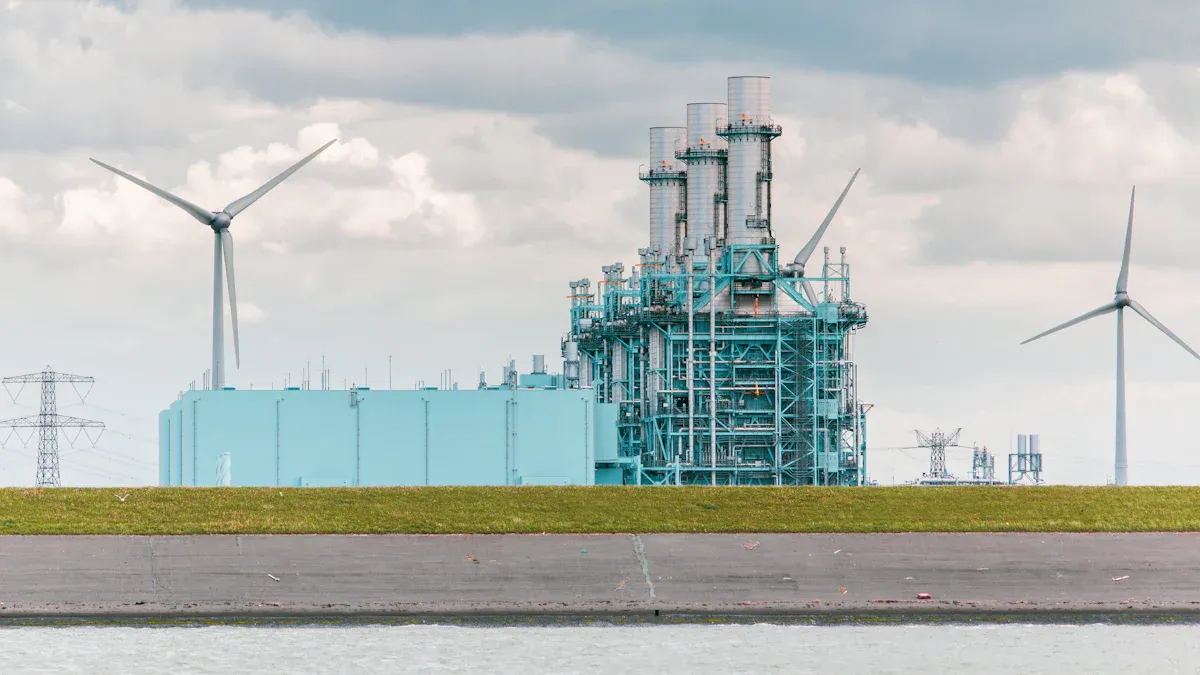
You often see dry type transformers in places where safety and reliability matter most. Their air-cooled design and fire-resistant insulation make them a top choice for indoor environments. You can install them in commercial buildings to ensure a safe and steady power supply. Hospitals and schools rely on dry type transformers because they reduce fire hazards and protect people. You also find these transformers in renewable energy projects, where clean power and minimal environmental impact are priorities.
You benefit from dry type transformers in areas with strict safety codes or environmental regulations. Their rugged build and low maintenance needs suit industrial settings. Data centers use dry type transformers to keep servers running without interruption. You can also install them in underground or city substations, where space is limited and fire risk must stay low.
Here are common scenarios where dry type transformers excel:
Commercial buildings
Hospitals and schools
Renewable energy projects
Industrial facilities
Data centers
Environmentally sensitive regions
Fire hazard areas
City substations
Residential spaces
Indoor and underground substations
Tip: You should choose dry type transformers for locations that demand high safety standards and minimal environmental impact.
Application Area | Why Dry Type Is Preferred |
|---|---|
Hospitals, Schools | Fire-resistant, safe for people |
Commercial Buildings | Reliable, easy indoor installation |
Renewable Energy Projects | Eco-friendly, supports clean power |
Industrial Settings | Durable, low maintenance |
Data Centers | Uninterrupted power, compact design |
City/Underground Substations | Space-saving, reduces fire risk |
You turn to oil filled transformers when you need high efficiency and robust performance. Their oil cooling system allows them to handle heavy electrical loads and operate reliably in demanding environments. Utility substations and industrial complexes often use oil filled transformers because they support large-scale power distribution. You also find them in infrastructure upgrades and new developments, where varied electrical usage requires flexible solutions.
Oil filled transformers feature advanced corrosion resistance and strong copper windings. These qualities help you achieve long service life and consistent performance. You must monitor oil parameters regularly to prevent sludge formation and maintain transformer health. Following best maintenance practices reduces technical losses and improves reliability.
You can install oil filled transformers outdoors, where space and ventilation are less restricted. They suit large commercial installations and utility grids that require stable voltage and efficient cooling.
Typical application scenarios include:
Utility substations
Industrial complexes
Large-scale commercial installations
Infrastructure upgrades
New developments
Outdoor substations
Note: Oil filled transformers work best in settings where you need high voltage capacity and cost-effective operation.
Application Area | Why Oil Filled Is Preferred |
|---|---|
Utility Substations | Handles demanding loads, reliable cooling |
Industrial Complexes | Robust, supports heavy usage |
Large Commercial Installations | Efficient, cost-effective |
Infrastructure Upgrades | Flexible, supports varied electrical needs |
Outdoor Substations | Suitable for outdoor placement |
You should match your transformer choice to your site’s safety needs, load requirements, and environmental conditions. This approach helps you achieve reliable power and long-term value.
Selecting the right transformer for your project can feel challenging. You need to look at several factors to make a smart choice. The differences between dry type vs oil filled transformers affect how you plan, install, and maintain your electrical system. Let’s break down the main points you should consider.
You should start by thinking about your specific requirements. Ask yourself where you plan to install the transformer. Indoor spaces, like hospitals or schools, often need extra fire safety. Outdoor areas, such as utility substations, may require higher efficiency and larger capacity.
You also need to look at the load and voltage demands. Some transformers work better with heavy loads and high voltages. Others suit smaller, specialized applications. Maintenance is another key factor. If you want less frequent checks, you might prefer one type over the other.
Here is a table to help you compare the main factors:
Factor | Dry-Type Transformers | Oil-Filled Transformers |
|---|---|---|
Efficiency | Lower | Higher |
Flammability | Lower | Higher |
Maintenance | Higher | Lower |
Application Needs | Specific applications | General applications |
Tip: You should match the transformer type to your site’s safety needs, load requirements, and maintenance resources.
You need to balance your budget with the performance you expect. Dry type transformers often cost more at the start. Their safety features and insulation materials drive up the price. Oil filled transformers usually have lower upfront costs and higher efficiency, which can save you money over time.
Think about the total cost, not just the purchase price. Maintenance, energy loss, and possible downtime all add to your expenses. Dry type transformers may need more frequent inspections, but they offer peace of mind in sensitive environments. Oil filled transformers require regular oil testing and filtration, but they handle heavy loads better.
Consider these points when weighing cost against performance:
Initial purchase price
Installation expenses
Maintenance frequency and cost
Energy efficiency and operational savings
Expected lifespan
Note: You should choose a transformer that fits your budget and meets your performance goals. Sometimes, paying more upfront leads to lower costs in the long run.
Safety must guide your decision. You need to follow local and international standards for transformer installation and operation. These rules help protect people, property, and the environment.
For dry type transformers, you should ensure proper ventilation and check insulation regularly. Oil filled transformers need careful monitoring of oil levels and insulation resistance. Both types require protection and monitoring systems, such as overcurrent and temperature sensors.
Here are some important safety steps you should follow:
Cooling System Check: Inspect oil levels and insulation resistance for oil-cooled transformers. Ensure ventilation for air-cooled transformers.
Protection and Monitoring Systems: Install overcurrent and temperature protection devices. Test sensors and alarms.
Initial Energisation and Monitoring: Check for unusual sounds. Monitor voltage and temperature during initial power-up.
Documentation and Maintenance Planning: Keep records of installation and testing. Regularly inspect wiring for issues.
Alert: You must always follow safety regulations and standards. Proper installation and regular checks help prevent accidents and extend the life of your transformer.
When you compare dry type vs oil filled transformers, you see that your choice depends on power needs, environment, budget, and safety requirements. Take time to assess your situation and consult with experts if you need help.
You can rely on xbrele dry type transformers for safe and efficient power distribution. These transformers use non-flammable insulation materials, so you do not face risks from oil or gas. You get protection levels from IP23 to IP55, which means you can install them in many indoor environments. xbrele designs these transformers with environmental responsibility in mind. You avoid oil disposal risks and benefit from a low carbon footprint. The materials are recyclable, which helps you meet sustainability goals.
xbrele uses advanced manufacturing techniques. CNC core cutting and automated winding ensure consistent quality. Every transformer undergoes thermal testing and meets ISO certifications. You get high efficiency, with rates of 98% or more. Voltage regulation stays tight at ±1.5%, so your equipment runs smoothly. You also notice minimal no-load losses, which saves energy. Noise levels stay below 55 dB(A), making these transformers suitable for quiet indoor spaces.
Feature | Description |
|---|---|
Safety | Non-flammable insulation, no oil or gas, IP23 to IP55 protection |
Environmental Benefits | No oil disposal risk, low carbon footprint, recyclable materials |
Manufacturing Quality | CNC core cutting, automated winding, thermal testing, ISO certifications |
Efficiency | ≥98% efficiency, tight voltage regulation (±1.5%), minimal no-load losses |
Noise Level | <55 dB(A) for indoor installations |
You can choose xbrele dry type transformers for hospitals, schools, and commercial buildings where safety and reliability matter most.
You get robust performance from xbrele oil filled transformers. These units handle heavy electrical loads and support high voltage applications. xbrele builds each transformer with corrosion-resistant tanks and high-quality copper windings. You benefit from long service life and stable operation, even in demanding outdoor environments.
xbrele oil filled transformers include advanced cooling systems. You can install them in utility substations, industrial complexes, and large commercial sites. The design supports efficient heat dissipation, so you maintain reliable power under tough conditions. You also have access to optional monitoring systems for temperature and overload protection.
xbrele oil filled transformers give you flexibility for outdoor installations and large-scale projects.
You have many reasons to select xbrele transformers for your next project. Customers and industry experts praise xbrele for safety, environmental responsibility, and manufacturing quality.
Safety Features: You get non-flammable insulation, no oil or gas inside dry type models, and enclosures with IP23 to IP55 protection. You can add temperature monitoring and overload protection for extra security.
Environmental Benefits: You avoid oil disposal risks, reduce your carbon footprint, and use recyclable materials.
Manufacturing Quality: xbrele holds ISO certifications, including ISO 9001, ISO 14001, and ISO 45001. Automated processes and rigorous testing protocols ensure reliability.
You receive strong technical support and responsive customer service. xbrele helps you select the right transformer for your needs and guides you through installation and maintenance. You can trust xbrele to deliver safe, efficient, and sustainable transformer solutions.
Choosing xbrele means you invest in quality, safety, and long-term value for your power systems.
You can keep your dry type transformer running smoothly by following a clear maintenance routine. Regular care helps you avoid unexpected failures and extends the life of your equipment. Here are the best practices you should follow:
Conduct Regular Inspections
You should check your transformer often. Look for dust, dirt, or signs of overheating. Use thermal scanning and listen for unusual sounds.
Focus on Key Components
Pay close attention to the cooling system and the core and windings. Make sure all parts stay clean and free from damage.
Implement Preventive Maintenance Programs
Manage the load on your transformer. Clean the unit, control moisture, and lubricate moving parts when needed.
Schedule Advanced Diagnostic Testing
Use tests like partial discharge testing to find hidden faults. These tests help you spot problems before they cause trouble.
Address Environmental Factors
Protect your transformer from harsh weather and pollution. Keep the area around the unit cool and dry.
Manage Aging Transformers Efficiently
If your transformer is getting old, consider upgrades or reconditioning. This step can improve performance and safety.
Utilize Smart Technology for Predictive Maintenance
Install IoT sensors for real-time monitoring. These tools alert you to issues before they become serious.
Work with Trusted Maintenance Experts
Partner with professionals for inspections and repairs. Expert support ensures your transformer stays reliable.
Plan for End-of-Life Management
Prepare for safe recycling or disposal when your transformer reaches the end of its service life.
Tip: Keeping a maintenance log helps you track inspections and repairs. This record makes it easier to spot patterns and prevent future issues.
Oil filled transformers need careful attention to prevent failures and protect your investment. You should follow these routine procedures:
Check the oil’s dielectric strength to ensure proper insulation.
Top off oil levels if they drop below the recommended mark.
Inspect cable boxes and terminal bushings for tightness and signs of damage every month.
Examine bushings for cracks during both monthly and yearly checks.
Clean auxiliary circuits and accessories at least twice a year.
Test oil samples for moisture, acidity, and signs of deterioration on a regular schedule.
Perform yearly checks on pressure relief devices and temperature indicators.
Clean marshaling boxes and check all seals annually to prevent leaks.
Inspect the insulation resistance of protective relays once a year.
Tighten any loose bolts or hardware during each maintenance visit.
🛠️ Note: Regular oil testing and cleaning help you catch problems early. This approach reduces the risk of costly breakdowns and extends the life of your transformer.
You can keep your transformer safe and efficient by following these steps. Good maintenance protects your equipment, your facility, and the environment.
You must ensure that your transformer meets strict international standards. These standards protect people, property, and the environment. They also guarantee that your equipment performs reliably and safely. Dry type and oil filled transformers each follow specific guidelines. You can see the main compliance standards in the table below:
Transformer Type | Compliance Standards |
|---|---|
Oil Filled Transformers | IEC 60076, ANSI C57, DOE 2016, ISO 9001 |
Dry Type Transformers | IS 11171/SAN 180, IEC 60076-20 |
Oil filled transformers must comply with IEC 60076 and ANSI C57. These standards set rules for design, testing, and performance. The DOE 2016 standard focuses on energy efficiency. ISO 9001 ensures quality management during manufacturing. Dry type transformers follow IS 11171 or SAN 180, along with IEC 60076-20. These standards address safety, insulation, and performance for air-cooled units.
Tip: Always check local regulations before installation. Some regions require extra certifications or testing.
You play a key role in building a greener electrical infrastructure. Your choice of transformer can support sustainability goals in several ways.
Dry type transformers use air for cooling. This design prevents environmental contamination from oil leaks.
Many dry type models include sustainable materials and smart grid technologies. These features boost energy efficiency and reduce waste.
Ester-oil-filled transformers use biodegradable natural esters. These oils break down naturally, which lowers the risk of soil contamination.
You can also improve safety and environmental protection by choosing transformers with advanced features:
Ester-oil-filled transformers have a higher fire point (about 360 ºC) than mineral oil models. This makes them safer in case of overheating.
If a leak happens, natural esters biodegrade quickly. You avoid long-term soil and water pollution.
These transformers create fewer hazards and offer a more environmentally friendly solution than traditional mineral oil units.
🌱 Note: When you select transformers with eco-friendly materials or biodegradable oils, you help protect the environment and meet modern sustainability standards.
You should always consider both compliance and sustainability when choosing a transformer. These factors help you create a safer, more responsible power system for your facility and your community.
You have learned the key differences between dry type vs oil filled transformers. These differences affect your choice in terms of safety, cost, and application.
Review your project’s requirements.
Compare transformer features and maintenance needs.
Consult experts or trusted brands like xbrele for guidance.
Making an informed decision helps you achieve reliable power and long-term value. Upgrade your transformer when your needs change or technology improves.
You will find that dry type transformers use air for cooling, while oil filled transformers use oil. This difference affects safety, efficiency, and where you can install each type.
You can use dry type transformers outdoors if you choose models with proper weatherproof enclosures. Always check the protection rating, such as IP54 or higher, to ensure safe outdoor operation.
Dry type transformers offer better safety indoors. They do not contain flammable oil, so you avoid fire and spill risks. You can install them in hospitals, schools, and offices with confidence.
You should perform routine checks monthly and test the oil at least once a year. Regular maintenance helps you detect leaks, moisture, or contamination early and keeps your transformer running safely.
You usually pay more upfront for dry type transformers. Their safety features and insulation materials increase the cost. However, you may save on maintenance and safety expenses over time.
Oil filled transformers often last longer because oil cools and protects the windings. With proper maintenance, you can expect decades of reliable service from oil filled units.
You can recycle many transformer parts, such as copper windings and steel cores. However, you must dispose of oil and insulation materials carefully to avoid environmental harm.
You should consider your installation site, safety needs, load requirements, and budget. Think about maintenance resources and local regulations before making your final choice.