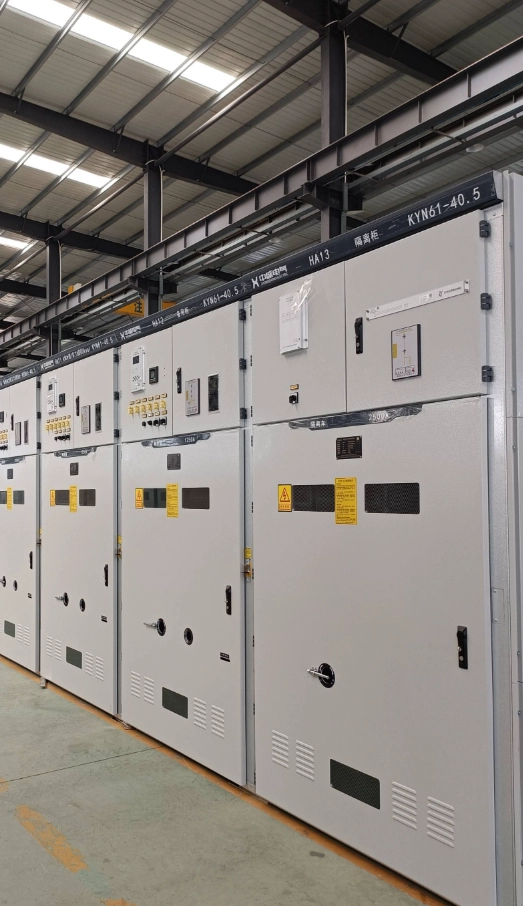
Need Full Specifications?
Download our 2025 Product Catalog for detailed drawings and technical parameters of all switchgear components.
Get Catalog
Download our 2025 Product Catalog for detailed drawings and technical parameters of all switchgear components.
Get Catalog Download our 2025 Product Catalog for detailed drawings and technical parameters of all switchgear components.
Get Catalog
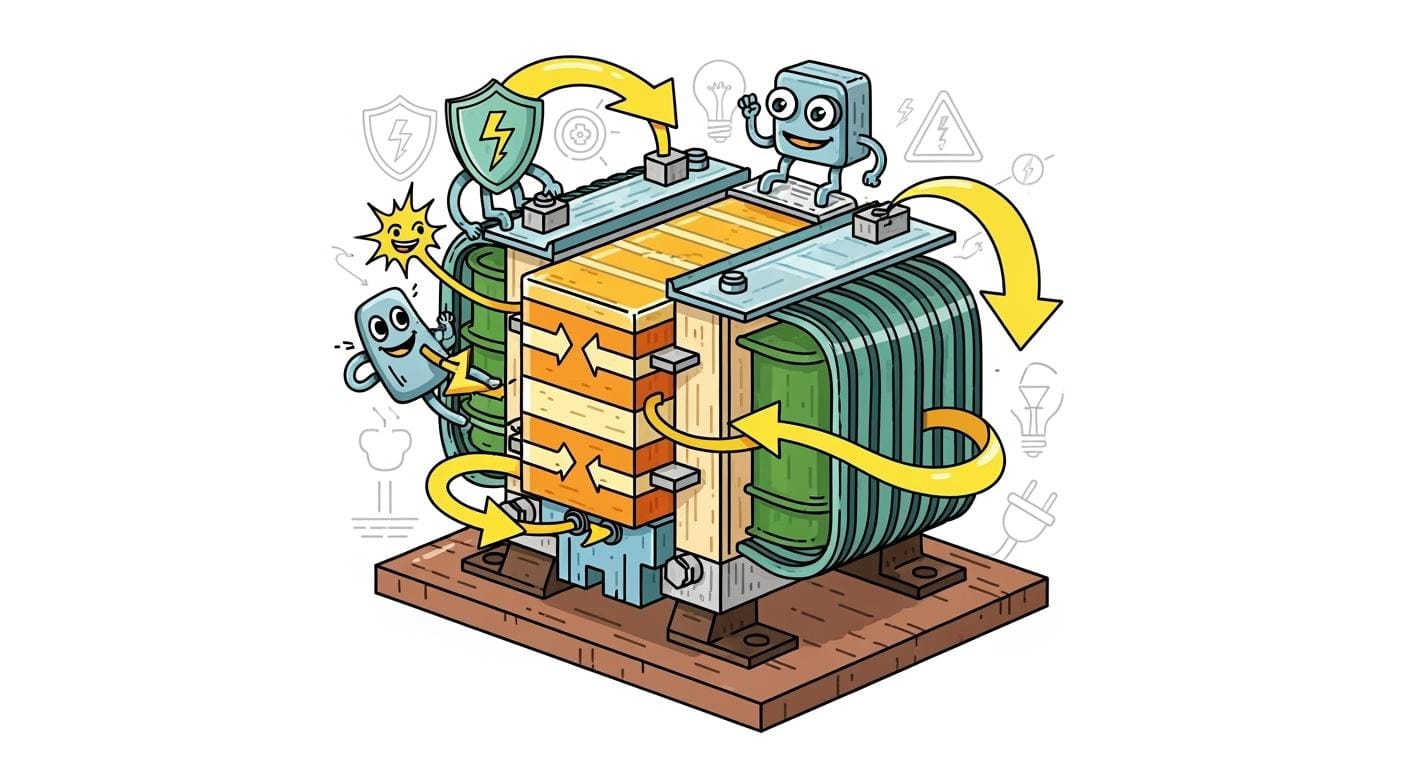
A dry type transformer uses air or resin for insulation and cooling, offering safer, eco-friendly power without oil leaks or fire risks.
You may wonder what is dry type transformer. This device uses air or gas for insulation and cooling instead of oil. You get a safer option for electrical systems because there is no flammable oil inside. Dry type transformers stay cool and work well in enclosed spaces.
They resist fire since epoxy resin insulation is self-extinguishing.
They do not leak harmful oil, so you avoid soil and water contamination.
You support eco-friendly energy by choosing this technology.
Dry type transformers use air or gas for insulation and cooling, making them safer than oil-filled transformers.
They are fire-resistant and do not leak harmful oil, reducing environmental risks and contamination.
These transformers require minimal maintenance, saving time and costs for users.
Dry type transformers are ideal for indoor use in sensitive environments like hospitals and schools.
They support eco-friendly energy solutions by using recyclable materials and avoiding toxic substances.
The design allows for reliable performance even in harsh conditions, ensuring stable voltage and safety.
Dry type transformers meet strict safety standards, providing peace of mind for critical applications.
Choosing dry type transformers contributes to sustainability goals and helps protect the environment.
When you ask what is dry type transformer, you look at a device that changes voltage levels without using oil for cooling or insulation. Instead, it uses air or special gases. This makes it safer and easier to use in many places, especially where fire safety matters.
You will find that dry type transformers stand out because of their unique features. Here is a table that highlights what makes them different from other transformer types:
Feature | Description |
|---|---|
Easy to install, use and maintain | You can set up and maintain these transformers with little effort. |
Unbeatable performance | They meet international standards for performance. |
Resistant to water and adverse weather | You can use them outdoors or in damp places without worry. |
Exceptional quality | High-quality materials make them last longer and work reliably. |
Cutting edge technology | Advanced designs improve both safety and efficiency. |
Unique design | Air cooling makes them fit for many different applications. |
Fire-retardant properties | They have a low risk of catching fire, which keeps your facility safer. |
Tip: You can use dry type transformers in places where safety, reliability, and easy maintenance are important.
You may wonder how dry type transformers stay safe and reliable. The answer lies in their cast resin and solid-state design. Manufacturers use cast resin to cover the transformer windings. This resin acts as a strong shield against moisture, dust, and pollution.
Cast resin transformers do not let moisture get inside. This means you can use them in humid or wet environments.
The resin is self-extinguishing. If a fire starts, it puts itself out and releases very little smoke.
High insulation keeps you safe from electrical shocks and improves performance.
You do not need to spend much time or money on maintenance.
These transformers handle short circuits well, so they last longer even if something goes wrong.
The materials are eco-friendly, which helps protect the environment.
They work well even when temperatures change quickly.
You avoid problems like partial discharges, which can cause failures.
Cast resin transformers meet strict safety standards, such as IS 11171 and IEC 60076-11. These certifications mean you can trust them in places that need high fire safety, like hospitals, schools, and factories.
You might ask what is dry type transformer insulation and how it works. Dry type transformers use air or sometimes special gases to keep the electrical parts safe and cool. Air insulation is common because it is simple, safe, and does not pollute the environment.
Here is a table that compares air and gas insulation in transformers:
Feature | Dry-Type Transformers | Gas-Insulated Transformers |
|---|---|---|
Insulation Medium | Air insulation | SF₆ gas insulation |
Safety | No flammable liquids, very safe | Some risk if gas leaks |
Efficiency | Works well in high temperatures | Better for very high voltages |
Maintenance | Needs little maintenance | Needs regular checks for gas leaks |
Cost | Can be more expensive and larger | Usually less expensive |
Environmental Compatibility | No risk of leaks, eco-friendly | SF₆ gas can harm the environment |
You get high efficiency and safety with air insulation. You do not have to worry about oil leaks or harmful gases. This makes dry type transformers a smart choice for modern electrical systems.
When you want to understand what is dry type transformer, you need to look at how it works inside. A dry type transformer uses the principle of electromagnetic induction. You have two sets of coils, called windings, wrapped around a laminated iron core. When you send alternating current (AC) through the primary winding, it creates a changing magnetic field in the core. This magnetic field passes through the secondary winding, which sits close by but does not touch the primary winding. The movement of the magnetic field induces a voltage in the secondary winding. You get a new voltage level at the output, but the two windings stay electrically separate. This keeps your equipment safe and lets you change voltage levels as needed.
Note: The windings never touch each other. The magnetic field does all the work, so you get electrical isolation and safety.
Dry type transformers do not use oil for cooling. Instead, they rely on air or special gases to keep the temperature down. This design makes them safer and cleaner for many environments.
You will find that most dry type transformers use air as their main cooling method. The transformer has open slots or vents that let air flow around the windings and core. As the transformer runs, it heats up. The warm air rises and escapes through the vents, while cooler air comes in to take its place. This process is called natural convection. Some larger transformers use fans to blow air over the windings for extra cooling. You do not need oil, so you avoid leaks and fire hazards.
Air cooling keeps the transformer safe and simple.
You do not have to worry about oil spills or extra maintenance.
The transformer stays cool even in closed rooms or buildings.
Some dry type transformers use special gases, like SF₆, or solid materials, such as epoxy resin, for insulation and cooling. The gas or resin surrounds the windings and core, keeping moisture and dust out. Epoxy resin also acts as a fire barrier. If a fire starts, the resin helps put it out quickly and releases very little smoke. You get extra protection in places where safety matters most.
Cooling Method | How It Works | Benefits |
|---|---|---|
Air Ventilation | Uses natural or forced air to cool windings | Simple, safe, low maintenance |
Gas Insulation | Uses gases like SF₆ for insulation/cooling | Good for high voltage, compact |
Solid Insulation | Uses epoxy resin to cover windings | Fire-resistant, moisture-proof |
Tip: The absence of oil in dry type transformers gives you a safer and cleaner option for places like schools, hospitals, and offices.
You use a dry type transformer to change voltage levels safely. When you connect the primary winding to a power source, the alternating current creates a magnetic field in the core. This field links to the secondary winding and induces a new voltage. The number of turns in each winding decides if the voltage goes up or down. For example, if the secondary winding has fewer turns than the primary, you get a lower voltage at the output. If it has more turns, you get a higher voltage.
You can step voltage up or down as needed for your equipment.
The transformer keeps the input and output circuits separate, so you stay safe.
You avoid oil leaks and fire risks because the transformer uses air or resin for insulation.
Callout: Dry type transformers work well in places where safety, reliability, and easy maintenance matter most. You get peace of mind and strong performance without the mess of oil.
You will find dry type transformers in many commercial and industrial settings. These transformers help deliver reliable power where you need it most. You can see them in manufacturing plants, shopping malls, office buildings, and even in transportation systems like railways and metro stations. Their design makes them safe for indoor use and easy to maintain.
Here is a table that shows some of the most common applications:
Application Type | Description |
|---|---|
Manufacturing Units | Reliable power supply for production facilities. |
Hospitals & Data Centres | Essential for critical power and safety. |
Commercial Complexes | Power for retail and office spaces. |
Railways & Metro Systems | Supports transportation infrastructure. |
Integrates with solar and wind energy systems. |
Tip: You can use dry type transformers in places like airports, metro stations, and high-rise buildings because they do not leak oil and need little maintenance.
You need safe and quiet power in hospitals and schools. Dry type transformers give you both. They do not use oil, so you avoid fire risks and harmful leaks. Their silent operation means you will not disturb patients or students. You also get a product that lasts a long time and fits well in small spaces.
Here are some reasons why you should choose dry type transformers for hospitals and schools:
Reason | Description |
|---|---|
Enhanced Safety | Oil-free design lowers fire and environmental risks. |
Maintenance-Free | No oil checks or replacements needed. |
Environmental Friendly | No oil leaks or contamination hazards. |
Fire-Safe Design | Meets strict fire safety rules. |
Long Service Life | Durable materials and good cooling extend lifespan. |
Compact & Lightweight | Fits in tight indoor spaces. |
Dry type transformers operate quietly, which is perfect for noise-sensitive places.
You can dispose of them easily at the end of their life because they do not contain harmful substances.
You play a key role in supporting clean energy when you use dry type transformers in renewable energy projects. These transformers connect wind turbines and solar panels to the power grid. They handle large amounts of electricity and work well in outdoor or remote locations.
Evidence | Description |
|---|---|
Dry-type transformers in renewable energy | They connect renewable technologies like wind turbines and solar panels to the grid, handling large electricity amounts efficiently. |
Eco-friendly design helps you meet sustainability goals.
You spend less time on maintenance.
Dry type transformers offer safety and reliability for solar farms and wind parks.
If you want to know what is dry type transformer used for, you will see that it fits perfectly in modern, safe, and green energy systems.
You get a high level of safety when you choose dry type transformers. These transformers do not use oil, so you avoid the risk of fire and toxic leaks. The solid insulation, often made from cast resin, acts as a barrier against moisture and dust. You can install these transformers in places where fire safety is critical, such as hospitals, schools, and commercial buildings.
Dry type transformers meet strict safety standards. You can check for certifications that prove their reliability and safety. Here is a table that shows some common certifications:
Certification | Description |
|---|---|
E3 | Certification for safety and performance in cast resin transformers. |
C3 | Certification indicating compliance with specific safety standards. |
F1 | Certification for sustainability in transformer design. |
You also see compliance with international standards like IEC 60076 and IS 2026. These certifications mean you can trust the transformer to perform safely in demanding environments.
Tip: You can install dry type transformers indoors or in public spaces without worrying about fire hazards or oil spills.
You save time and money with dry type transformers because they need very little maintenance. The design uses air or solid insulation, so you do not have to check for oil leaks or contamination. You can run these transformers for long periods without heavy upkeep. Oil-filled transformers require regular monitoring and maintenance, especially for oil quality and leaks. Dry type transformers let you focus on your core tasks instead of constant checks.
You do not need to replace or test oil.
You avoid cleaning up spills or handling hazardous waste.
You spend less on routine inspections.
Dry type transformers work well even in harsh conditions. You can rely on them to keep running with minimal attention.
Note: You can reduce downtime and maintenance costs by choosing dry type transformers for your facility.
You help protect the environment when you use dry type transformers. These transformers do not contain oil, so you avoid the risk of soil and water pollution. The materials used, such as cast resin and epoxy, are eco-friendly and recyclable. You support sustainability by choosing equipment that meets modern environmental standards.
No oil means no risk of leaks or contamination.
You can recycle most parts at the end of the transformer’s life.
The design supports green building certifications and sustainability goals.
Dry type transformers also use less energy for cooling. You reduce your carbon footprint and support clean energy initiatives.
Callout: You make a positive impact on the environment and public health by selecting dry type transformers for your electrical systems.
You want your electrical systems to run smoothly every day. Dry type transformers give you dependable performance, even in tough conditions. You can count on them to deliver stable voltage and protect your equipment from electrical faults. Their design uses solid insulation, which resists moisture, dust, and pollution. You do not have to worry about sudden breakdowns or frequent repairs.
Manufacturers build dry type transformers with high-quality materials. Cast resin and epoxy insulation shield the windings from damage. You get a transformer that stands up to temperature changes and mechanical stress. The solid-state construction means fewer moving parts, so you face less risk of wear and tear. You can install these transformers in places with high humidity or dust, and they will keep working without trouble.
Tip: You can rely on dry type transformers in places where downtime is not an option, such as hospitals, data centers, and factories.
You may wonder how long a dry type transformer lasts. When you maintain it properly, you can expect a long service life. Here are some facts about their lifespan:
The average lifespan of a properly maintained power transformer is between 30 to 50 years.
Dry type transformers, such as Fuji Electric’s cast resin models, tend to have a longer lifespan compared to oil-immersed transformers, especially in harsh environments.
You get peace of mind knowing your transformer will serve you for decades. You do not have to replace it often, which saves you money and reduces waste.
Dry type transformers also handle electrical overloads and short circuits well. The insulation protects the windings, so you avoid costly failures. You can trust these transformers to keep your systems running, even when conditions change quickly. Their reliability makes them a smart choice for critical applications.
Here is a table that highlights why dry type transformers are so reliable:
Reliability Feature | Benefit to You |
|---|---|
Solid insulation | Resists moisture and dust |
Long operational lifespan | Reduces replacement costs |
Durable construction | Handles temperature and stress |
Low risk of failure | Keeps your systems running |
Stable performance | Protects sensitive equipment |
You want equipment that works when you need it most. Dry type transformers deliver consistent results, year after year. You can install them in challenging environments and trust them to perform. Their reliability helps you avoid unexpected downtime and keeps your operations safe.
Callout: Choose dry type transformers if you value long-term reliability and stable performance for your electrical systems.
You need to know how dry type transformers differ from oil-filled transformers before making a choice. The main differences come from their cooling methods, installation needs, and safety features. Dry type transformers use air or forced ventilation for cooling. Oil-filled transformers rely on oil circulation. You often install oil-filled transformers outdoors, while dry type models fit well indoors, especially in safe or fire-sensitive areas.
Here is a table that summarizes the main technical and practical differences:
Feature | Oil-Filled Transformer | Dry-Type Transformer |
|---|---|---|
Cooling | Oil circulation | Air/Natural or Forced |
Installation | Mostly outdoors | Indoors (safe areas) |
Maintenance | High (oil testing, leaks) | Low (no oil) |
Fire Safety | Flammable | Non-flammable |
Efficiency | Higher | Slightly lower |
Capacity | Up to 1000+ MVA | Up to ~30 MVA |
Cost | Lower upfront | Higher upfront |
Environmental Impact | Risk of oil leaks | Eco-friendly |
Tip: You should consider the installation environment and safety requirements when choosing between these two types.
Both transformer types have strengths and weaknesses. You get better fire safety and lower maintenance with dry type transformers. Oil-filled transformers offer higher efficiency and longer service life. The following table compares the main pros and cons:
Aspect | Dry-Type Transformers | Oil-Filled Transformers |
|---|---|---|
Installation | Easy, fire-resistant | Needs fluid containment |
Maintenance | More challenging; often skipped | Easier; oil analysis possible |
Lifespan | 15 to 25 years | 25 to 35 years |
Environmental Considerations | Better for the environment | Requires careful oil handling |
Sound Level | Higher (64–70 dB) | Lower (58–63 dB) |
Size and Weight | Larger due to air-cooling | Smaller due to oil cooling |
Dry type transformers have a shorter lifespan, usually 15 to 25 years.
Oil-filled transformers last longer, often 25 to 35 years.
Maintenance for dry type transformers may require you to turn off the unit, which can lead to skipped procedures.
Note: Dry type transformers are larger and noisier, but you avoid oil leaks and fire risks.
You should match the transformer type to your specific needs. Dry type transformers work best in places where safety matters most. You see them in malls, hospitals, offices, and residential buildings. Their fire-safe design and low maintenance make them ideal for indoor use.
You should choose dry type transformers when:
You need a fire-safe solution for sensitive environments.
You want low maintenance and eco-friendly operation.
You plan to install the transformer indoors.
Oil-filled transformers suit high-capacity and outdoor applications. You find them in power plants, substations, and large industrial sites. They handle higher loads and offer better efficiency.
You should choose oil-filled transformers when:
You need high power capacity (above 30 MVA).
You want a longer service life.
You plan to install the transformer outdoors.
Callout: Always consider your safety, maintenance resources, and installation space before making a decision. The right transformer helps you achieve reliable and efficient power distribution.
You want your electrical systems to stay safe, especially in places where fire risks matter. Dry type transformers offer strong fire protection because they use materials that resist flames and limit smoke. Manufacturers test these transformers for fire behavior, including how much smoke and toxic gas they release during a fire. You can trust dry type transformers to meet strict international fire safety standards.
Fire behavior classification focuses on flammability, smoke opacity, and toxicity.
Operation conditions include Class F0 (no fire risk) and Class F1 (fire hazard).
Testing methods check temperature changes, smoke thickness, and gas toxicity during destructive tests.
Nomex paper, used in some transformers, improves safety with flame-retardant properties and better visibility in emergencies.
Tip: Dry type transformers are self-extinguishing. If a fire starts, the insulation helps stop it quickly and keeps smoke levels low.
You save time and effort with dry type transformers because they need less maintenance than oil-filled models. You do not have to check for oil leaks or replace fluids. Instead, you focus on keeping the transformer clean and checking for dust or debris around the vents. You should inspect the windings and insulation for signs of wear or damage. Regular checks help you catch problems early and keep your system running smoothly.
Here is a simple table to guide your routine maintenance:
Task | How Often | Why It Matters |
|---|---|---|
Visual inspection | Every 6 months | Spots dust, debris, or damage |
Clean air vents | Every 3 months | Prevents overheating |
Check connections | Annually | Ensures safe operation |
Test protection | Annually | Verifies safety systems |
Note: You do not need to shut down your transformer for most inspections. Quick checks help you avoid costly repairs and downtime.
You want your transformer to work safely and efficiently from day one. Start by assessing your load and cooling needs before choosing the right transformer rating. Pick a transformer type that matches your environment and safety requirements. Build a solid foundation to support the transformer and reduce vibrations. Handle the unit carefully during transportation to avoid damage.
Follow these steps for a successful installation:
Assess the load and cooling method before selecting the transformer rating.
Choose the appropriate transformer type based on environmental and safety requirements.
Construct a solid foundation to support the transformer and minimize vibrations.
Handle the transformer carefully during transportation to avoid damage.
Ensure proper electrical connections and protection devices are installed.
You should always follow the manufacturer’s installation manual. Make sure cable connections are tight to prevent voltage drops and overheating. Select the correct transformer size to avoid inefficiency and overheating. Install overcurrent and tap protection as recommended.
Callout: Careful installation and regular monitoring help you get the most out of your dry type transformer. You keep your facility safe and your power supply reliable.
You help protect the environment when you choose dry type transformers. These transformers do not use oil for cooling or insulation. This design removes the risk of leaks and spills that often happen with oil-filled transformers. You do not have to worry about soil or water contamination if a transformer fails. Dry type transformers use solid insulation materials, so you avoid flammable or toxic liquids. This makes your facility safer and keeps the environment clean.
You eliminate the chance of oil leaks.
You prevent soil and water pollution.
You avoid handling hazardous liquids.
Tip: Dry type transformers are a smart choice for places where environmental safety is a top priority.
You support a greener planet by using dry type transformers. These transformers use air for cooling, so you do not face the risk of spills. Manufacturers use solid insulation materials like epoxy or resin. These materials do not harm the environment and are often recyclable. Many companies now explore new sustainable materials to make transformers even more eco-friendly. You also see a push to meet and exceed energy efficiency standards.
Air cooling means no liquid waste.
Epoxy and resin insulation is safe and recyclable.
Sustainable materials help reduce your carbon footprint.
You play a role in shaping a cleaner future by choosing equipment built with the environment in mind.
You need to know that dry type transformers must meet strict international standards for environmental protection. These standards make sure your equipment is safe for people and the planet. The table below shows some important compliance requirements:
Standard | Description |
|---|---|
IEC Standards | You meet global safety and environmental rules by following IEC guidelines. |
Eco-friendly Oils | Some standards now include the use of natural esters and green materials. |
RoHS Compliance | You avoid hazardous substances, keeping your systems safe and sustainable. |
You can trust dry type transformers to follow these rules. This gives you peace of mind and helps your business meet modern environmental goals.
Callout: By choosing dry type transformers, you support a safer workplace and a healthier environment for everyone.
You now know that a dry type transformer uses air or resin for insulation and cooling. This design gives you a safer, cleaner, and low-maintenance solution for your electrical systems.
You avoid fire risks and oil leaks.
You help protect the environment.
You save time on maintenance.
Tip: Consider dry type transformers for your next project. If you need more details for your application, reach out to a trusted electrical expert or explore industry guides.
You will see that dry type transformers use air or resin for cooling. Oil-filled transformers use oil. Dry type models offer better fire safety and need less maintenance.
You can install some dry type transformers outdoors. Always check the manufacturer’s rating for weather resistance. Use a protective enclosure for extra safety.
You can expect a dry type transformer to last 20 to 30 years with proper care. Some high-quality models last even longer.
Dry type transformers make more noise than oil-filled types. You can reduce noise by placing them in soundproof rooms or using vibration pads.
You need only basic maintenance. Clean vents, check connections, and inspect insulation. You do not need to check or replace oil.
You should use dry type transformers in hospitals, schools, malls, and offices. They work well indoors and in places where fire safety matters.
You help the environment by choosing dry type transformers. They do not leak oil or use harmful materials. Most parts are recyclable.
Authority reference: For standard definitions and test context, see IEC 60076 publication page.