Precisa das especificações completas?
Faça o download do nosso Catálogo de Produtos 2025 para obter desenhos detalhados e parâmetros técnicos de todos os componentes do quadro elétrico.
Obter catálogo
Faça o download do nosso Catálogo de Produtos 2025 para obter desenhos detalhados e parâmetros técnicos de todos os componentes do quadro elétrico.
Obter catálogo Faça o download do nosso Catálogo de Produtos 2025 para obter desenhos detalhados e parâmetros técnicos de todos os componentes do quadro elétrico.
Obter catálogo
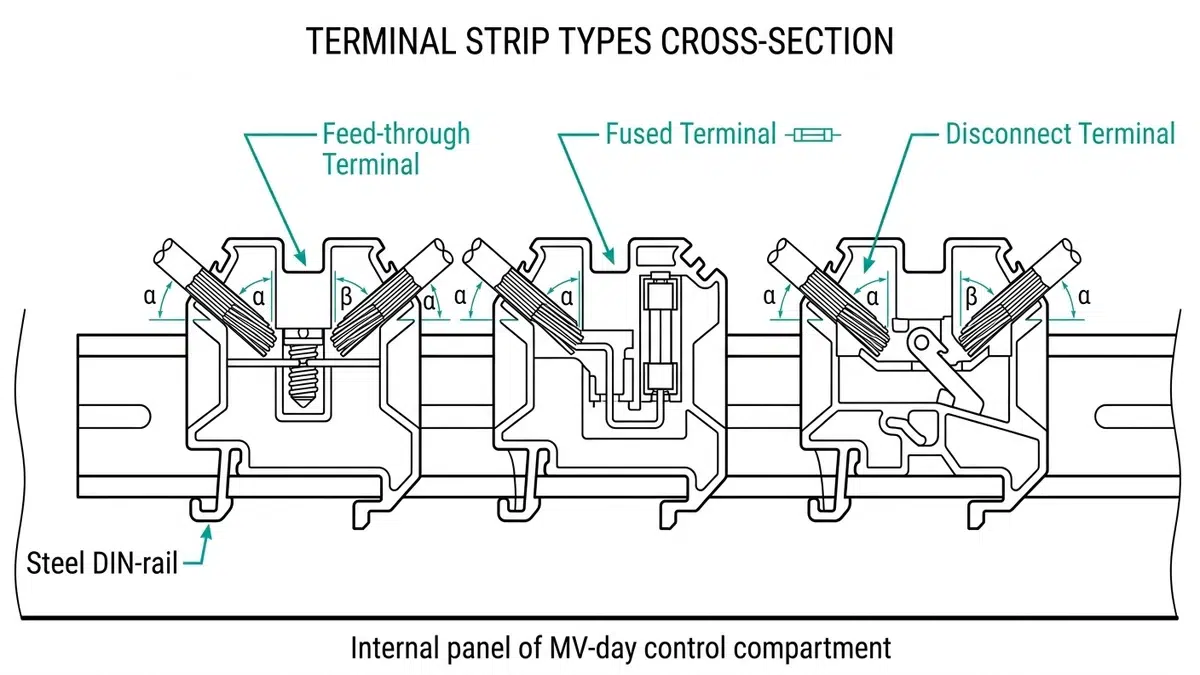
Compare as marcas, classificações, materiais, certificações e verificações de instalação dos blocos de terminais do painel de distribuição para obter uma fiação de controle MV confiável.
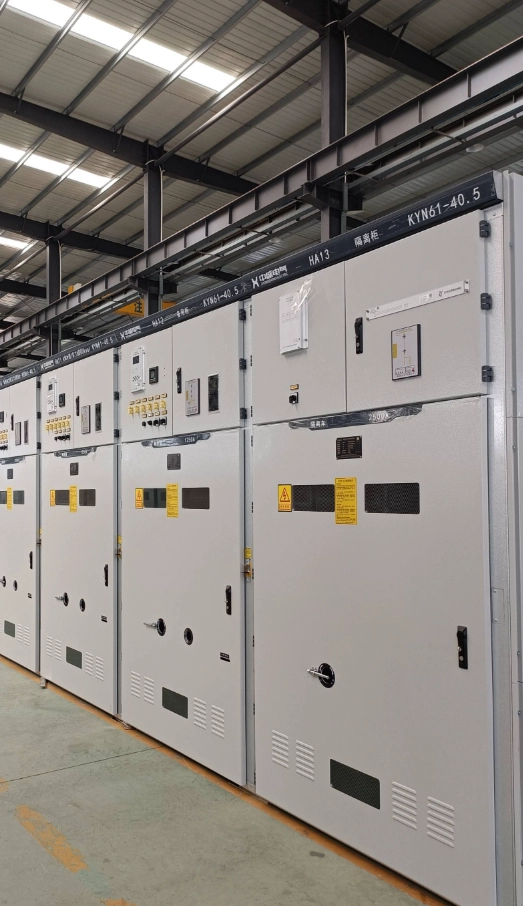
Em meus vinte e três anos projetando e comissionando sistemas de comutadores de média tensão, testemunhei inúmeras falhas em painéis que não foram atribuídas aos dispositivos de comutação primários, mas a componentes aparentemente menores: blocos de terminais, dutos de fios, ponteiras e acessórios de fiação de controle. Esses componentes, embora representem talvez 2-5% do custo total do painel de distribuição, influenciam diretamente a confiabilidade do sistema, a eficiência da manutenção e a segurança operacional de longo prazo.
Os blocos de terminais servem como pontos de conexão neurais dentro do painel de distribuição, ligando relés de proteção, sistemas de medição, operadores de motor e redes de comunicação. Um único bloco terminal mal classificado pode gerar falhas em cascata em uma subestação inteira. Aprendi essa lição no início da minha carreira quando uma linha de painéis de 15 kV em uma instalação petroquímica apresentou falhas no circuito de controle durante uma onda de calor no verão - os blocos de terminais genéricos que havíamos especificado não conseguiam suportar as temperaturas ambientes de 65°C dentro do gabinete.
Este guia abrangente baseia-se na experiência real de instalação, nos dados técnicos do fabricante e nos padrões do setor para ajudar engenheiros, especificadores e profissionais de compras a selecionar os melhores componentes de fiação de controle. Examinaremos os principais fabricantes, estabeleceremos critérios de seleção claros e forneceremos listas de verificação práticas que podem ser aplicadas imediatamente ao seu próximo projeto de painel de distribuição.
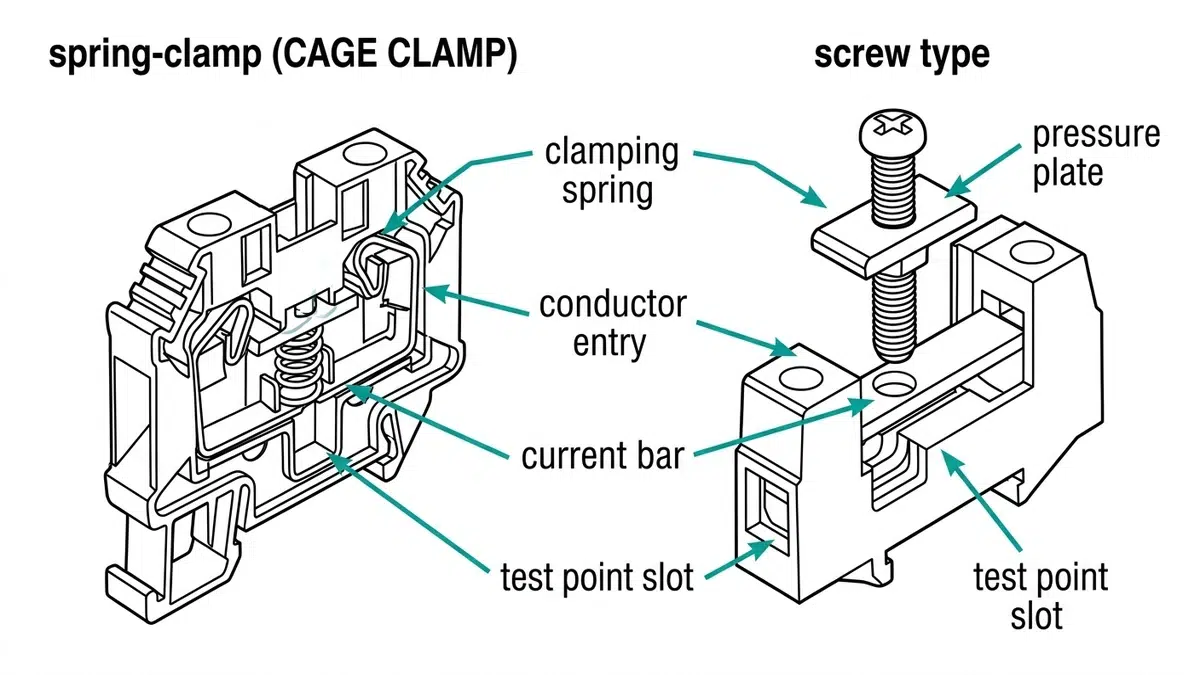
Os circuitos de controle do painel de média tensão normalmente operam a 24-250 VCC ou 120-240 VCA, exigindo componentes classificados para esses níveis de tensão e, ao mesmo tempo, suportando a interferência eletromagnética e as condições térmicas presentes nos ambientes de média tensão.
Blocos de terminais formam a base dos sistemas de fiação de controle. Para aplicações em painéis de distribuição, geralmente especificamos:
– Terminais de passagem para distribuição geral de sinais e energia
– Blocos de terminais com fusíveis proteger os circuitos secundários de TC e TP
– Terminais de desconexão permitindo o isolamento do circuito durante a manutenção
– Terminais de aterramento garantia de ligação e aterramento de segurança adequados
– Terminais do sensor/atuador com indicadores LED integrados para solução de problemas
Componentes de gerenciamento de fios Incluir:
- Duto de fios com fenda (estilo Panduit ou equivalente)
- Envolvimento em espiral e mangas trançadas
- Abraçadeiras e bases de montagem
- Conexões de conduítes e conectores à prova de líquidos
Na mesma revisão da lista de materiais (BOM) no painel de controle, componentes de controle industrial como seletores, lâmpadas indicadoras, dispositivos de desconexão e contatos auxiliares devem ser verificados juntamente com os blocos de terminais e os canais de fiação, pois o traçado da fiação e as opções de interface do operador influenciam-se mutuamente.
Sistemas de identificação e marcação abrangem:
- Marcadores de arame pré-impressos
- Etiquetas de blocos de terminais
- Etiquetas e terminais de cabos
- Sistemas de etiquetagem para impressão a laser
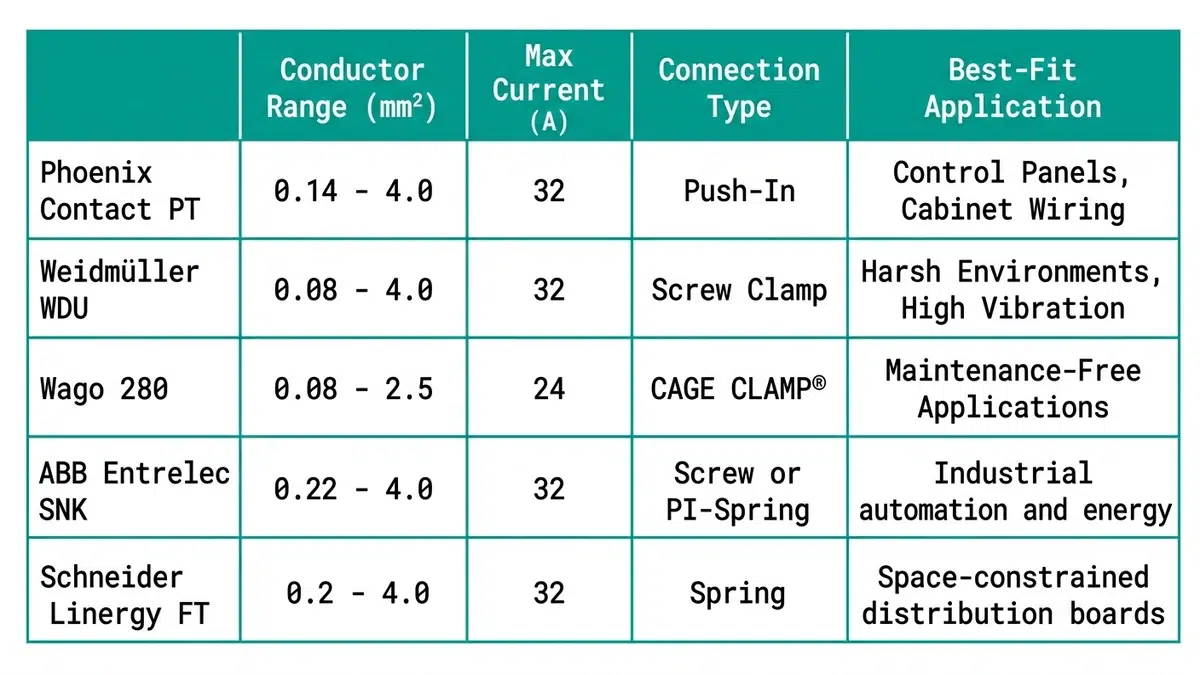
A Phoenix Contact é consistentemente classificada como a melhor escolha entre os fabricantes de painéis de distribuição em todo o mundo. Seu sistema completo CLIPLINE oferece:
Em um projeto recente de painel de distribuição de 15 kV para um data center, especificamos os terminais de desconexão PTIO da Phoenix Contact em todas as seções. A conexão push-in sem ferramentas, combinada com a função de teste/desconexão, reduziu o tempo de fiação do nosso painel de 18 horas para aproximadamente 11 horas por seção de linha.
A precisão da engenharia alemã define as ofertas de blocos de terminais da Weidmüller. Sua série KLIPPON Connect oferece:
A Wago revolucionou o setor com sua tecnologia de conexão de mola com grampo de gaiola. Os principais produtos incluem:
A divisão Entrelec da ABB fornece blocos de terminais projetados especificamente para a integração de painéis de distribuição:
Para mercados e instalações da América do Norte padronizados em plataformas Rockwell:
A Panduit domina o mercado norte-americano de dutos de arame com seus produtos:
Especifiquei o duto Panduit Tipo G (fenda estreita, dedo largo) exclusivamente para o roteamento de sinais analógicos em compartimentos de medição - as fendas estreitas evitam a extração acidental de fios e, ao mesmo tempo, mantêm a acessibilidade.
A HellermannTyton oferece um valor excepcional com:
Os fabricantes europeus de painéis de distribuição especificam com frequência os produtos da Iboco:
Ao especificar blocos de terminais para circuitos de controle de painéis de distribuição de média tensão, verifique:
| Parâmetro | Requisito mínimo | Especificação recomendada |
|---|---|---|
| Tensão nominal | 300 V (UL) / 500 V (IEC) | 600 V (UL) / 800 V (IEC) |
| Corrente nominal | Máximo do circuito × 1,25 | Máximo do circuito × 1,5 |
| Classificação de curto-circuito | Coordenar com a proteção a montante | Disjuntor/fusível de passagem |
| Resistência a impulsos | Mínimo de 2,5kV | 4kV para aplicações de média tensão |
Os ambientes de painéis de distribuição apresentam desafios únicos:
Classificações de temperatura deve ser levado em conta:
- Temperaturas ambientes (geralmente 40°C de acordo com IEEE C37.20.2)
- Aumento da temperatura interna (15 a 25 °C adicionais típicos)
- Contribuição de calor de equipamentos adjacentes
Para o painel de distribuição externo em climas desérticos, especifiquei terminais classificados para operação contínua a 105 °C - as classificações padrão de 85 °C resultariam em falhas de conexão dentro de 2 a 3 anos.
Resistência a vibrações e choques assuntos para:
- Aplicações sísmicas (qualificação IEEE 693)
- Instalações próximas a máquinas rotativas
- Subestações móveis ou transportáveis
Corpos de blocos de terminais:
– Poliamida (PA6.6) oferece excelente força mecânica e resistência à temperatura
– Policarbonato oferece resistência superior ao impacto, mas classificações de temperatura mais baixas
– Cerâmica necessário para aplicações de temperatura extremamente alta ou críticas em relação ao fogo
Bares e contatos atuais:
– Latão proporciona boa condutividade a um custo moderado
– Cobre necessário para aplicações de alta corrente
– Revestimento de estanho ou níquel evita a corrosão em ambientes industriais
Sempre verifique:
– UL 1059 listagem para instalações na América do Norte
– IEC 60947-7-1 conformidade para projetos internacionais
– Certificação CSA para instalações no Canadá
– ATEX/IECEx classificações para aplicações em áreas de risco
– UL 508A conformidade para painéis de controle industrial
Depois de construir centenas de painéis de painéis de distribuição, desenvolvi essas práticas comprovadas de arranjo:
Agrupamento funcional:
1. Agrupe os terminais por função do circuito (proteção, medição, controle, comunicação)
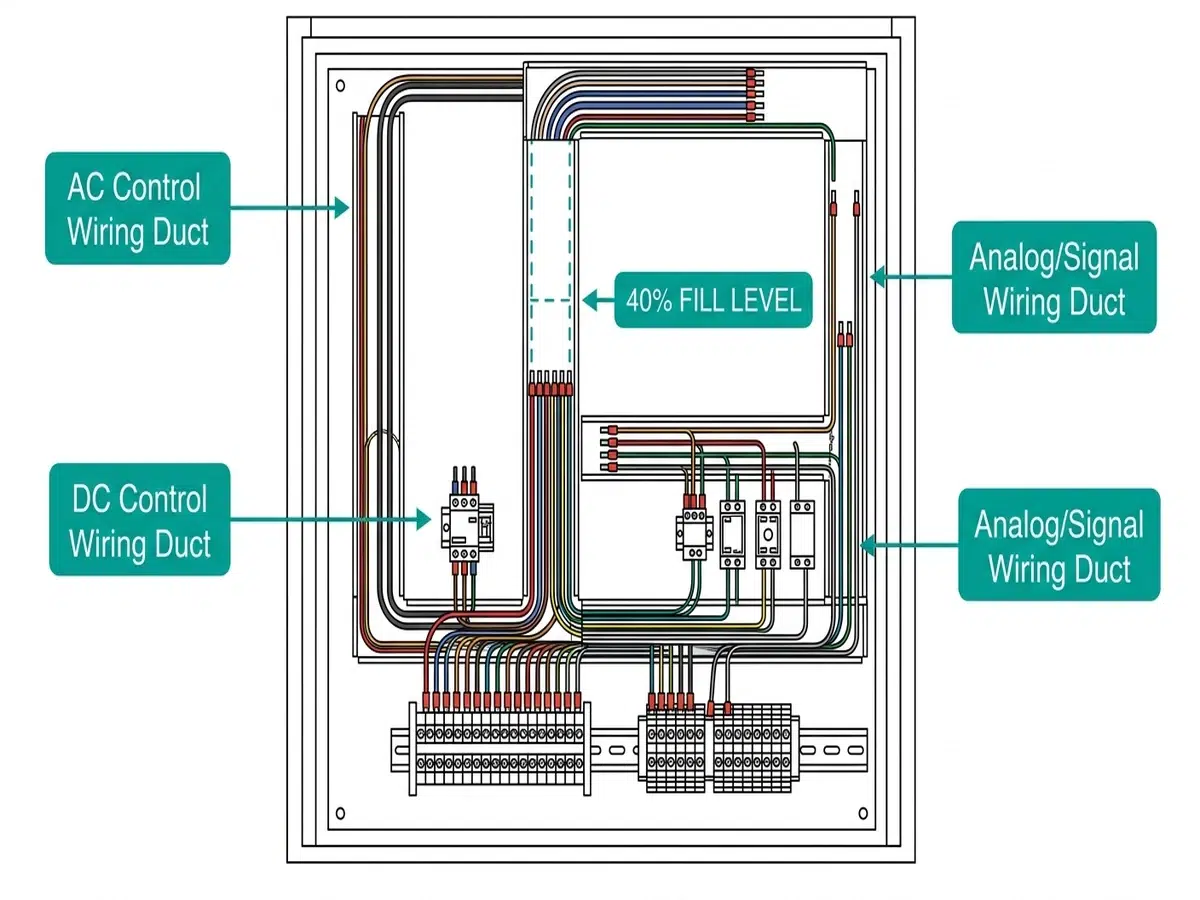
2. Mantenha a separação entre os circuitos CA e CC (recomenda-se um mínimo de 50 mm)
3. Posicione os terminais de teste acessados com frequência em alturas ergonômicas
Alocação de terminal sobressalente:
- Fornecer terminais sobressalentes 15-20% para modificações futuras
- Agrupe as peças de reposição no final de cada seção funcional
- Rotular previamente as peças sobressalentes como “SPARE” para evitar o uso não autorizado
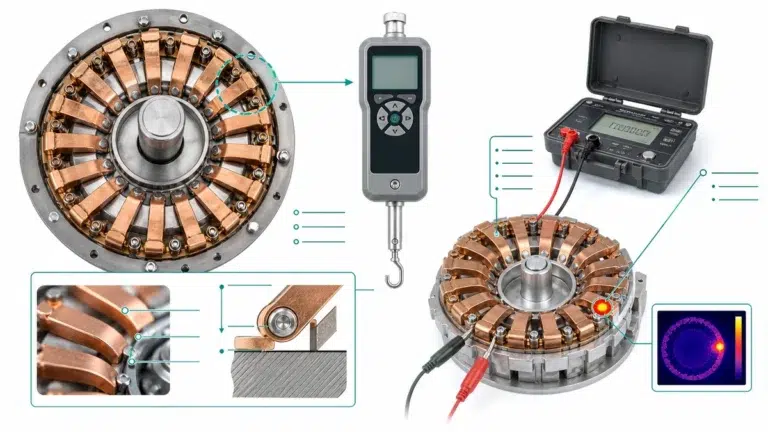
As falhas de conexão geralmente são atribuídas a um torque inadequado. Documente e verifique:
| Tamanho do condutor (AWG) | Torque típico (lb-in) | Torque típico (Nm) |
|---|---|---|
| 18-16 | 4.4-5.3 | 0.5-0.6 |
| 14-12 | 7.1-8.8 | 0.8-1.0 |
| 10 | 17.7-22.1 | 2.0-2.5 |
| 8-6 | 26.5-35.4 | 3.0-4.0 |
Dica de profissional: use chaves de fenda de torque calibradas e documente os valores de torque nas listas de pendências de comissionamento. Já rejeitei remessas inteiras de painéis depois de encontrar valores de torque 30-40% abaixo da especificação durante a inspeção de recebimento.
As ponteiras aumentam consideravelmente a confiabilidade da conexão, principalmente com condutores trançados:
Embora os blocos de terminais genéricos possam custar 40-60% menos do que as marcas premium, considere:
Custos diretos de falhas:
- Despesas com interrupções não planejadas ($10.000-$100.000+ por hora em instalações críticas)
- Taxas de chamada de serviço de emergência
- Envio acelerado de peças de reposição
Custos indiretos de qualidade:
- Tempo de comissionamento prolongado com qualidade inconsistente dos componentes
- Taxas mais altas de reclamações de garantia
- Danos à reputação causados por falhas de campo
Em uma comparação de projeto, estimamos que a especificação de terminais da Phoenix Contact em comparação com uma alternativa de baixo custo adicionou $3.200 aos custos de material para uma linha de 15kV e 8 seções. Esse mesmo projeto evitou um custo estimado de $180.000 em possíveis falhas durante os 25 anos de vida útil do equipamento.
Para projetos maiores ou programas contínuos de painéis de distribuição:
Vários fabricantes agora oferecem blocos de terminais com inteligência integrada:
O painel de distribuição moderno exige cada vez mais:
- Conectividade Ethernet industrial com relés de proteção
- Blocos terminais de fibra óptica para circuitos de comunicação
- Sistemas de terminais blindados para sinais sensíveis à EMI
Referência externa: A IEEE Standards Association fornece orientações abrangentes sobre práticas de fiação de controle em seu padrão IEEE C37.2 para números de função de dispositivos do sistema de energia elétrica e designações de contato, o que influencia diretamente a rotulagem e a organização dos blocos de terminais.
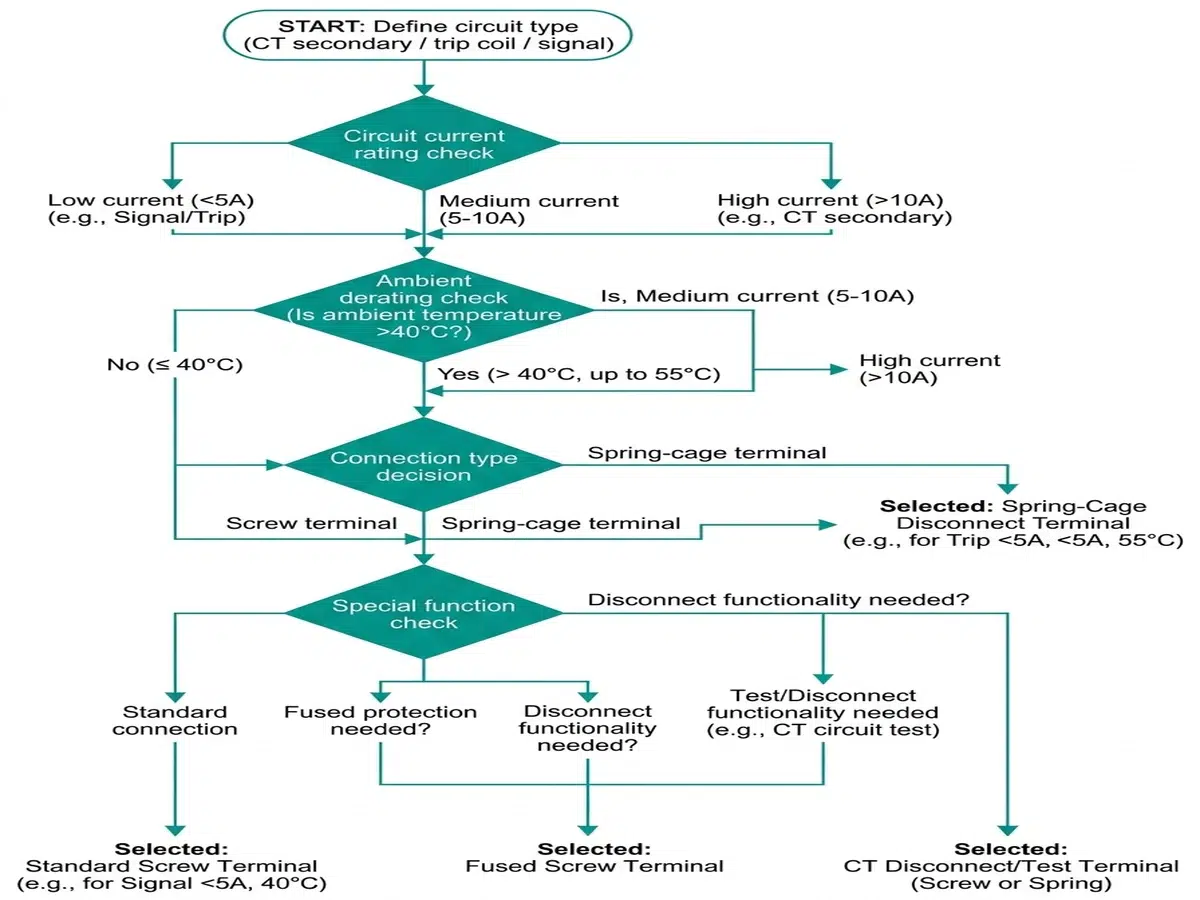
Para circuitos secundários de TC, recomendo terminais com classificação mínima de 10 A contínuos, de preferência de 15 a 20 A. Isso fornece margem para a contribuição da corrente de falha durante distúrbios. Mais importante ainda, especifique terminais do tipo curto-circuito para circuitos de TCs que entram automaticamente em curto-circuito antes da desconexão - evitando tensões perigosas de TCs em circuito aberto que podem exceder vários milhares de volts.
Embora tecnicamente possível com a montagem em trilho DIN, desaconselho fortemente a mistura de fabricantes. Diferentes famílias de terminais têm diferentes acessórios, sistemas de etiquetagem e configurações de jumper. A equipe de manutenção deve estocar vários tipos de reposição. Em uma auditoria de instalação, encontrei sete marcas diferentes de blocos de terminais em doze seções de painéis de distribuição - criando pesadelos de inventário e problemas de compatibilidade de conexão.
A prática recomendada do setor limita o preenchimento do duto de fios a 40-50% da área da seção transversal para aplicações de fiação de controle. Isso permite futuras adições e evita danos ao condutor durante a instalação. Para circuitos de energia que geram calor, reduza o preenchimento para 30-35%. Calculo o tamanho do duto somando as áreas da seção transversal do condutor (incluindo o isolamento) e dividindo por 0,4.
Para o painel de distribuição MV externo, especifique a reunião dos terminais:
- UL 1059 com marcação de uso externo
- Índice de proteção mínimo IP20 (IP67 para locais expostos)
- Classificação de temperatura que cobre o ambiente esperado mais o aumento interno
- Materiais resistentes a raios UV se expostos à luz solar
- Considere hardware de aço inoxidável ou com revestimento especial para instalações costeiras
Os terminais push-in (gaiola de mola) de fabricantes conceituados atendem ou superam a confiabilidade do grampo de parafuso quando aplicados adequadamente. As principais vantagens incluem força de conexão consistente, resistência à vibração e instalação mais rápida. Certifique-se de que o modelo push-in específico seja classificado para o seu tipo de condutor (sólido, trançado ou trançado fino com ponteira) e considere que os condutores maiores (acima de 4 mm²) podem exigir projetos de grampo com parafuso.
Os circuitos que fazem a transição entre compartimentos de tensão exigem atenção cuidadosa:
- Instale os terminais somente no compartimento de baixa tensão
- Use buchas ou barreiras de passagem com classificação adequada
- Manter a segregação de fases de acordo com os padrões aplicáveis
- Considere terminais com fusíveis para coordenação de proteção
- Documentar claramente as classificações de tensão com etiquetas permanentes
Com base em minha experiência na manutenção de instalações de painéis de distribuição, faça a manutenção:
- 5% de cada tipo de terminal instalado
- Suprimentos completos de etiquetagem/marcação para uma seção completa
- Jumpers e pontes para cada configuração usada
- Suportes de extremidade, tampas e acessórios de montagem
- No mínimo um de cada terminal especializado (fusível, desconexão, terra)
A seleção de componentes de fiação de controle para painéis de distribuição de média tensão exige o equilíbrio entre desempenho elétrico, compatibilidade ambiental, eficiência de instalação e custos de ciclo de vida. Os fabricantes destacados neste guia - Phoenix Contact, Weidmüller, Wago, ABB Entrelec e outros - conquistaram sua reputação por meio de qualidade consistente e suporte técnico abrangente.
Critérios de seleção essenciais que devem ser lembrados:
Os componentes que você selecionar hoje servirão à sua instalação por décadas. Investir tempo na especificação adequada - e um modesto orçamento adicional em produtos de qualidade - rende dividendos por meio de uma operação confiável, manutenção eficiente e falhas evitadas. Aplique as listas de verificação e os critérios apresentados aqui ao seu próximo projeto de painel de distribuição e você criará sistemas de controle dignos dos sofisticados equipamentos de proteção e comutação que eles suportam.